
Skip to content
bulk equipment logo
  • Equipment
    • All Equipment
    • Forklifts
    • Reach Stackers
    • Empty Container Handlers
    • Loaded Container Handlers
    • Slag Pot Carriers
  • Industries
    • All Industries
    • Metals Production
    • Mill Services
    • Scrap & Recycling
    • Rail & Intermodal
    • Ports & Terminals
    • Concrete & Precast
    • Mining & Aggregates
    • Wood & Paper
    • Earth Moving
    • Energy & Utilities
    • Waste & Environmental
  • Services & Parts
    • All Services
    • Shop All Parts
  • Tools & Resources
    • Learning Hub
    • Case Studies
  • Company
    • Contact
    • About
    • Safety
    • Careers
    • Team
    • Swag
  • Equipment
    • All Equipment
    • Forklifts
    • Reach Stackers
    • Empty Container Handlers
    • Loaded Container Handlers
    • Slag Pot Carriers
  • Industries
    • All Industries
    • Metals Production
    • Mill Services
    • Scrap & Recycling
    • Rail & Intermodal
    • Ports & Terminals
    • Concrete & Precast
    • Mining & Aggregates
    • Wood & Paper
    • Earth Moving
    • Energy & Utilities
    • Waste & Environmental
  • Services & Parts
    • All Services
    • Shop All Parts
  • Tools & Resources
    • Learning Hub
    • Case Studies
  • Company
    • Contact
    • About
    • Safety
    • Careers
    • Team
    • Swag
Service Hotlines

Author: Jake Ellis

What Are the Best Tips for Backing Up a Vehicle Safely?
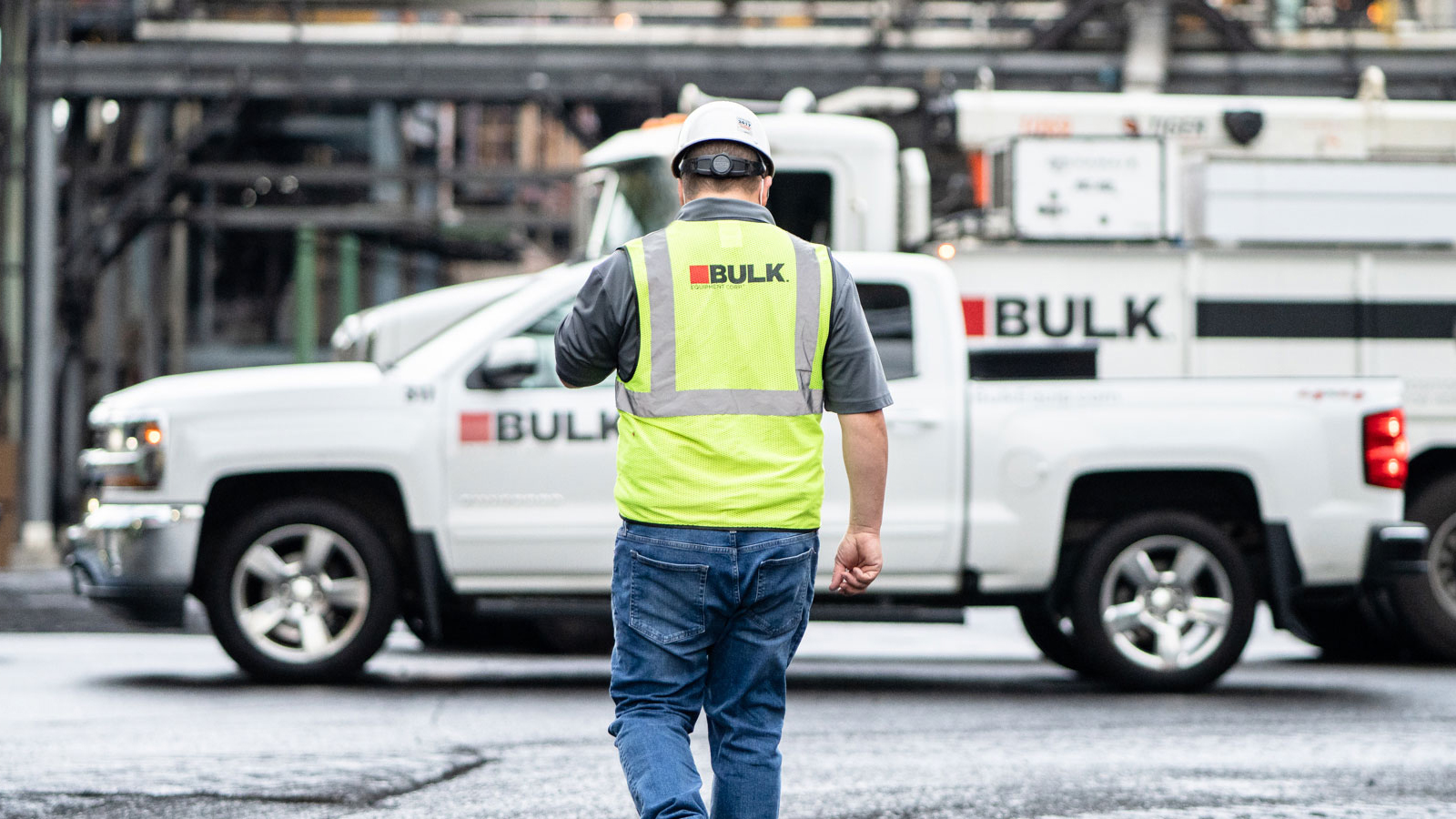
Why poor backing causes accidents, plus blind-spot awareness, walk-arounds, spotters, alarms, and moving slowly.

How Do You Work Safely Around Electricity?

Minimum powerline clearances, inspecting cords and grounding, testing GFCIs, and locking out power before maintenance or repair.

What Are the Hazards of Cutting and Grinding?

The hazards from wheel breakage and vibration, safe grinder use with guards and PPE, and the steps for grinding safely.

What Are the Hazards of Working at Night?

The hazards of reduced visibility and fatigue at night, and how lighting, high-vis gear, reflective controls, and breaks keep night work safe.

How Do You Stay Safe Working in Cold Weather?

What cold stress and wind chill are, how to dress in layers, taking warming breaks, and recognizing frostbite and hypothermia.

How Do You Safely Store Oil and Fluids?

Securing containers, using containment systems, daily inspections, cleaning spills immediately, and avoiding slip hazards.

Why Does Tool Maintenance Matter for Safety?

Inspecting, cleaning, storing, and sharpening hand and power tools, and replacing worn parts to prevent accidents.

How Do You Protect Your Hearing on the Job?

How noise causes permanent hearing loss, the types of hearing protection devices, and how to inspect earmuffs and earplugs.

How Do You Recognize and Respond to Workplace Violence?

The four types of workplace violence, the warning signs of coworker violence, how to respond during and after an incident, and how to prevent it.

What Causes Workplace Fatigue and How Do You Prevent It?

Why being tired raises injury risk, the common causes of fatigue, and safe practices to prevent it and stay alert on the job.

← Previous
Next →
Moving America Forward
Careers
Contact
bulk equipment logo
  • About
  • Why Bulk?
  • Privacy Policy
  • Terms
  • Do Not Sell or Share My Personal Information

© 2025 Bulk All Rights Reserved

Steel Mill Application (SMA) Front-End Loaders have the base of a tried and tested design with a reinforced frame, cab, and components in order to operate and handle molten steel and blast furnace slag. Designed to protect the operator and reduce the risks when handling molten slag, the front-end loader cab is fitted with impact- and heat-resistant glass. There is also a closed HVAC system to prevent the introduction of gases created when handling the molten slag.

The Straddle Carrier increases productivity for the customer by eliminating the use of flatcars to transport slabs throughout the mill. This asset decreases the number of times the slabs are handled by providing the ability to drive directly over top of the slabs, picking them up, and transporting them directly to the location of the customer’s needs. These machines can also pick and sort through slab piles, selecting specific slabs for their orders, and achieving just in time delivery.

The Pot Carrier is constructed to lift and carry a slag pot designed to the specific capacity of the steel maker’s furnace. It also provides the operator with additional safety features in an effort to further reduce the hazards and to allow for ease of handling and transporting the slag pot to an engineered dumping station.

The prime mover, or tractor, utilizes a scraper design and then updates the operator’s cab with the ability to face in the direction of operation. This improves visibility and increases productivity.

With a modified or purpose-built spreader replacing the container spreader, we hang magnets for slab handling and C-hooks or coil tongs for coil movements. When handling hot slabs, purpose-built slab tongs can withstand temperatures up to 1,100 degrees F are attached. Typical lifting capacity under the lifting device can range from 35 to 50 tons depending on attachment weight and configuration. However, there are manufacturers that are now building Reach Stackers with significantly more lifting capacity. As capacity goes up, maneuverability due to increased wheelbase goes down.

The first Continuous Transport System Bulk supplied to a customer was in 1999. This replaced multiple heavy-duty tractors and trailers along with the labor support required to operate the trucks. Not only were we able to save our customer significant expense by moving from multiple trucks, trailers and drivers to one single machine with one operator, but we were also able to decrease the carbon footprint by burning significantly less fuel while accomplishing the same or more productivity.