
Industry Guide
Rail & Intermodal
Intermodal terminals live and die on lift equipment uptime. This guide covers the machines that move containers between rail, road, and yard, and how terminals keep them running.
10 to 46 tons
Reach stacker container capacity
Rail, road, yard
One fleet moves all three
Any brand in the terminal
Brand-independent service
Updated July 2026
Intermodal is a clock: trains work to schedules, gates back up fast, and every container that misses its lift waits for the next train. The machines in the middle are reach stackers, container handlers, spotter trucks, and the cranes above them, and when one goes down the whole ramp feels it. This guide covers the equipment classes intermodal and rail terminals run and what keeps them available.
Bulk Equipment Corp is an 80 year old, brand-independent heavy equipment uptime partner headquartered in Michigan City, Indiana, with a shop in Memphis, Tennessee. Bulk has served intermodal and rail operations for decades with equipment sales, rentals, rebuilds, and brand-independent maintenance, including dedicated intermodal maintenance programs.
What We DoWhat Does Bulk Actually Do at an Intermodal Terminal?
Real machines on real ramp duty. This is what we sell, rent, rebuild, and maintain for rail and intermodal operations.
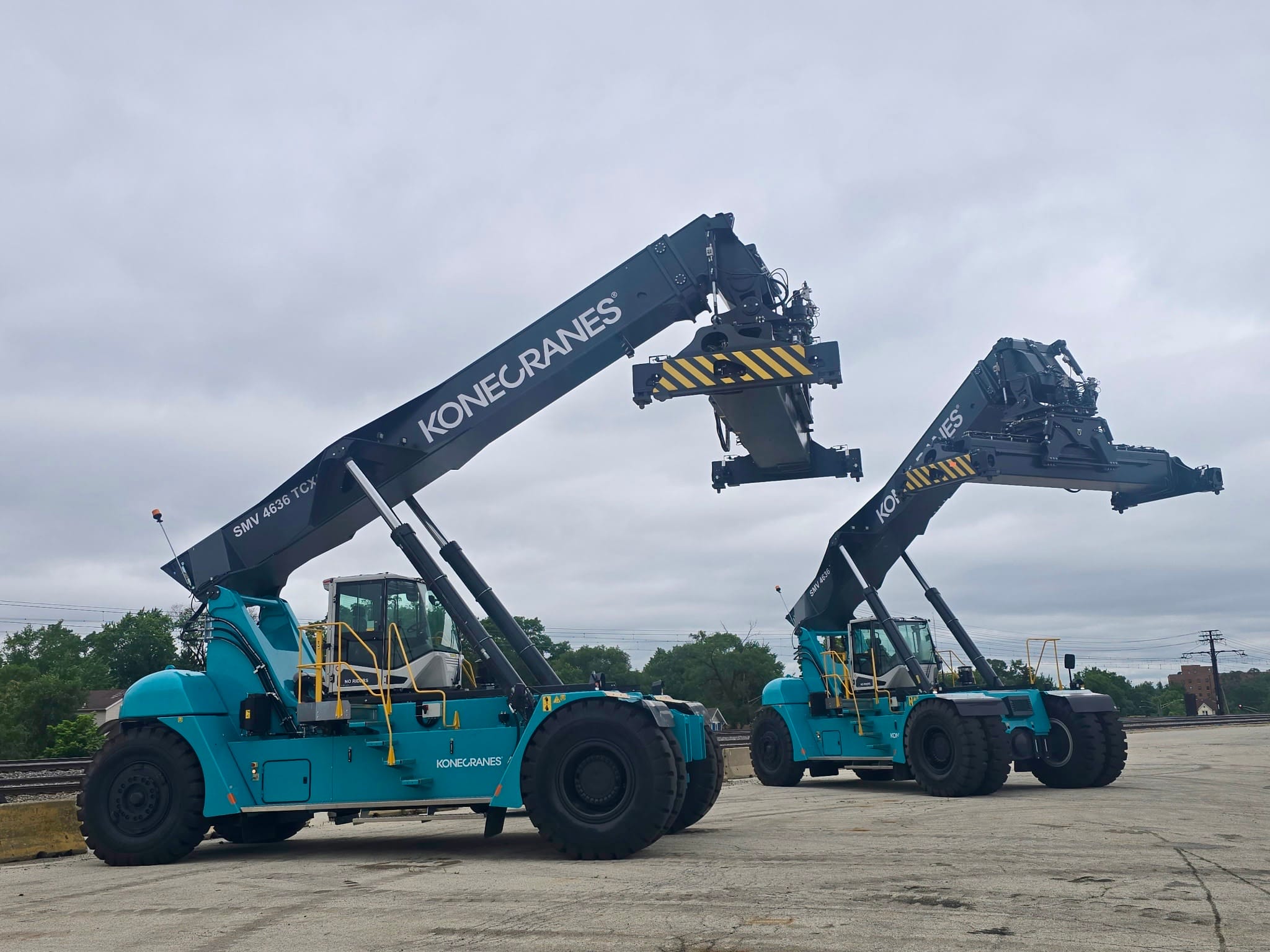
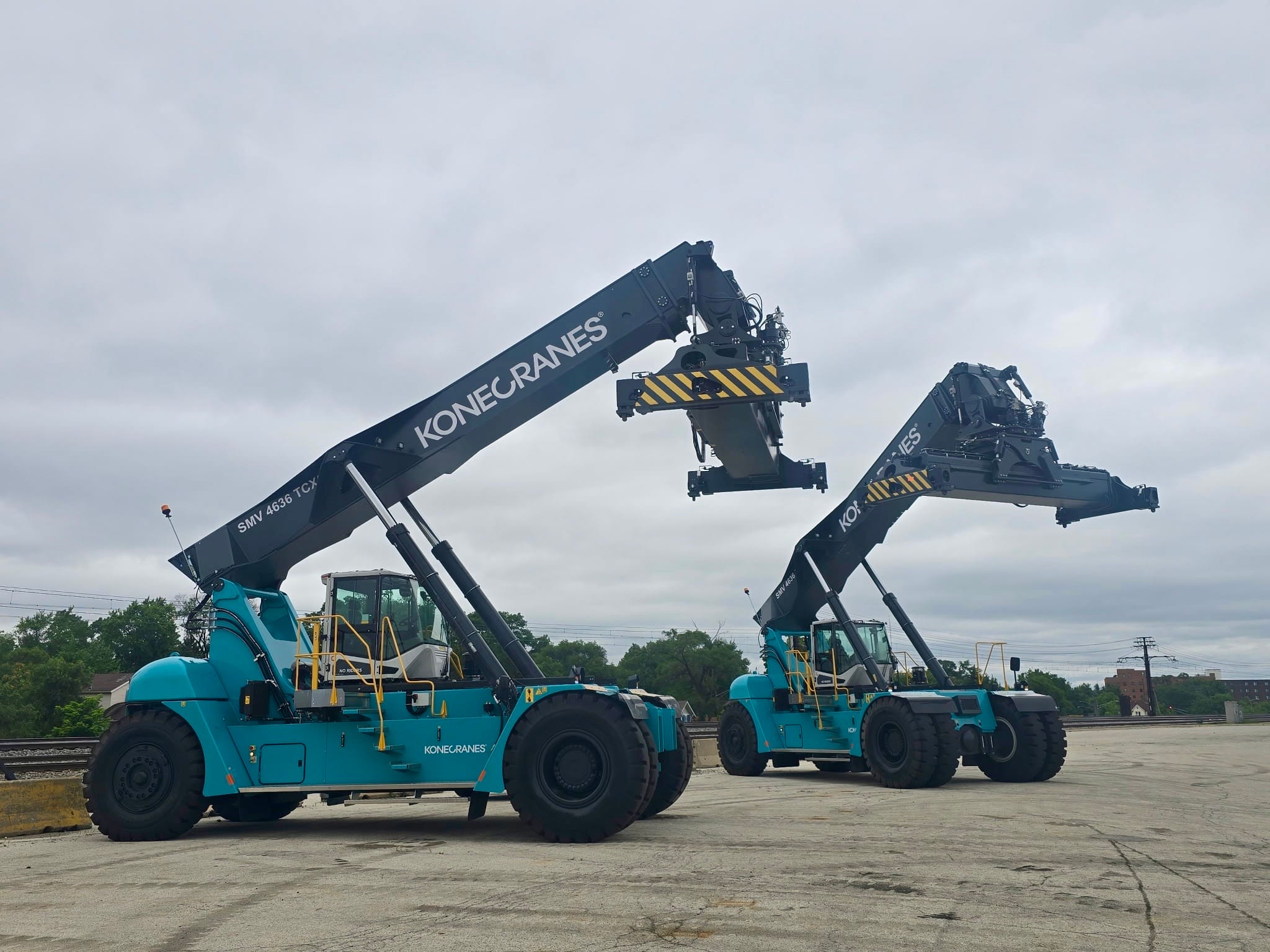
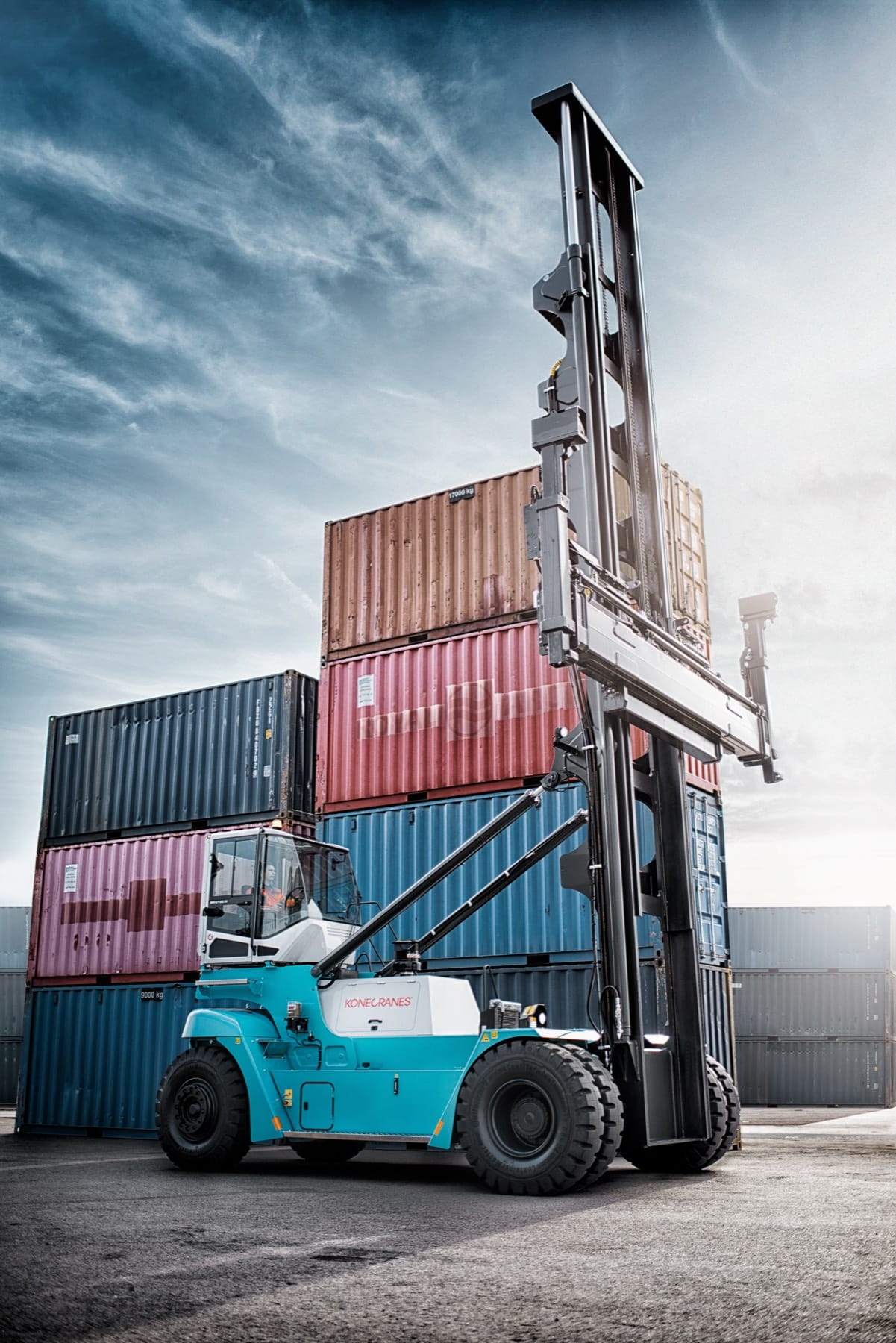
Reach Stackers
The intermodal workhorse
Reach stackers load and unload rail cars, chassis, and stacks at 10 to 46 tons under the spreader. We sell, rent, and rebuild them for ramp duty.
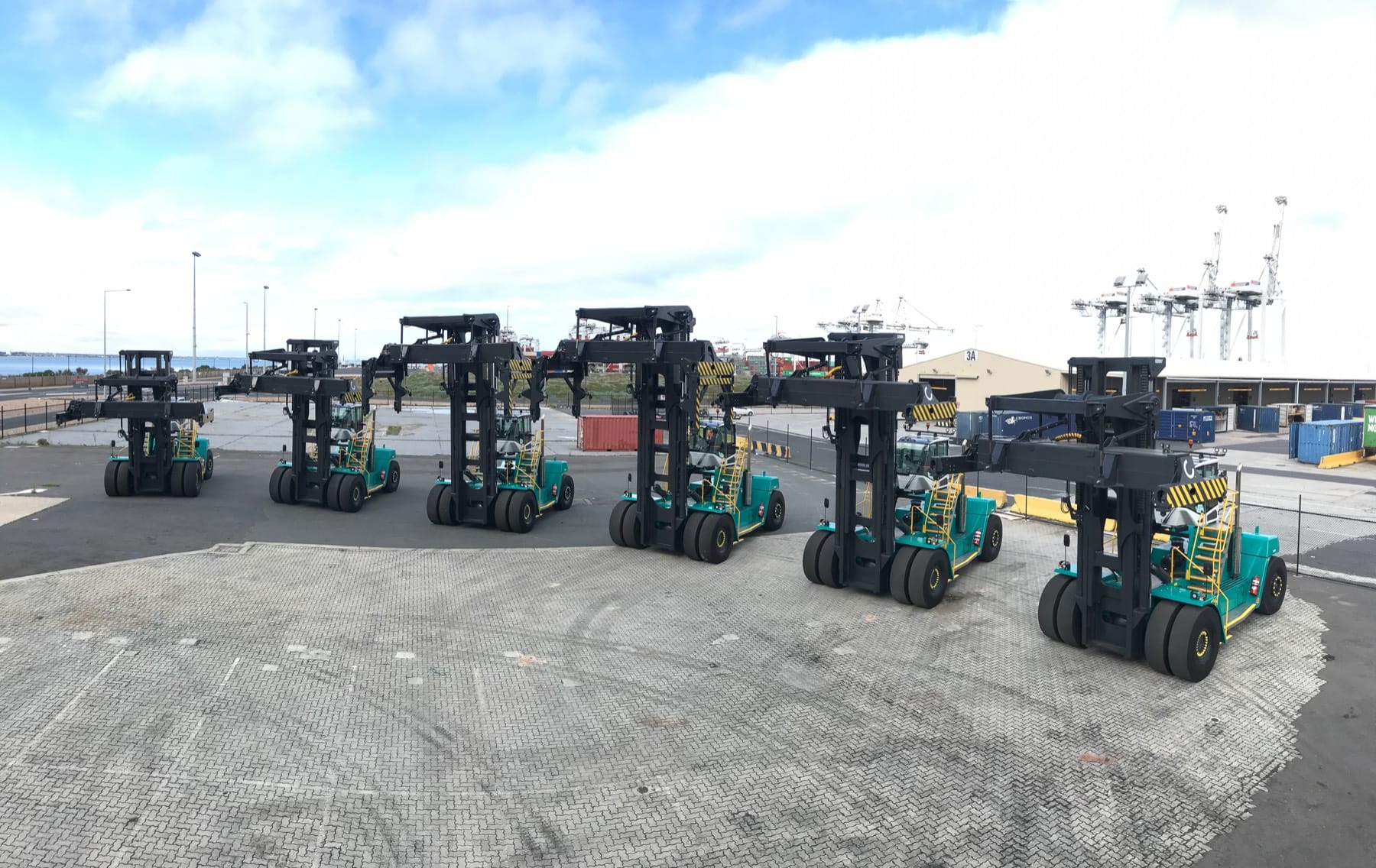
Container Handlers
Volume stacking on both sides of the ramp
Loaded handlers work the 26 to 45 ton class and empty handlers stack up to 8 high, keeping ground operations ahead of the train schedule.
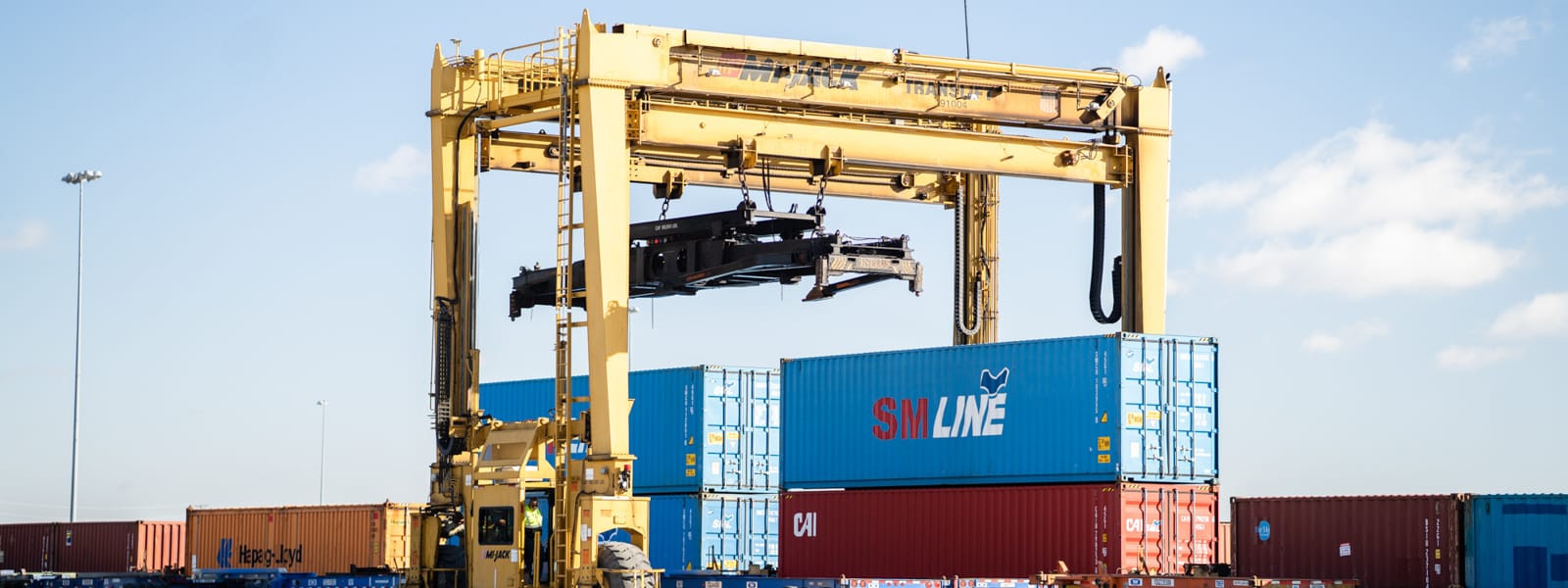
RTG Cranes + Mixed Fleets
Any brand over the tracks
Rubber tired gantry cranes span the working tracks, and our intermodal maintenance programs keep cranes, lift trucks, and spotters of any OEM available.
Terminal Tractors
Spotters that never stop
Spotter trucks shuttle chassis between ramp, stacks, and gate all shift, cheaper per move than road tractors.

Field Service
Machine down on the ramp? We are already rolling.
Brand-independent techs from four regional hotlines service any OEM at the terminal, MI-Jack and RTG cranes included, with dedicated intermodal maintenance programs.
OwnershipFour Ways to Work With Us, Built for What You Need
There is more than one way to put heavy iron to work, and the right one depends on your utilization, your budget, and how much downtime risk you want to own. These are the four.
Equipment as a Service
Full operational outcomes, not just equipment access. Bulk owns the fleet, carries the maintenance risk, and keeps you running.
- Predictable monthly cost. Zero CAPEX
- Bulk-owned fleet with dedicated backup units
- On-site technicians plus proactive PM
- Uptime-focused, not rental-day focused
- Long-term, site-specific structure
- Risk shifts from your operation to Bulk
Equipment Rental
Flexible fleet access when you need it, without the commitment of ownership.
- Flexible rental periods available
- Wide selection of heavy equipment
- Rapid deployment to your site
- Ideal for seasonal demand or project gaps
- No long-term obligation
Equipment Sales
Buy outright from an authorized distributor for the brands you already run, including Konecranes, Sennebogen, and KAMAG.
- New and used inventory available
- Konecranes, Sennebogen, KAMAG and more
- Spec’d to your application
- Financing and trade-in options
- Factory-backed support
Field Service
Brand-independent heavy equipment maintenance and repair. Call a regional hotline and we will have a technician on site fast.
- Brand-independent: any machine, any OEM
- Regional hotlines for rapid dispatch
- Parts sourcing and full complement inventory
- No need to keep a specialist on payroll
- Established in the steel mill environment
Not sure which way fits your operation?
Tell us your duty cycle and budget, and we will lay out whether buying, renting, or the all-in monthly package fits.
ProofProof From the Field
A reach stacker working in severe dust was eating air filters until a customized filter assembly cut blowouts to once a week. The full case study covers the engineering and the result.
AnswersFrequently Asked Questions
What equipment does an intermodal terminal use?
The core fleet is reach stackers for rail car and stack work, loaded and empty container handlers for volume stacking, terminal tractors for chassis moves, and gantry cranes over the working tracks. Mix depends on ramp volume and layout.
What is the difference between a reach stacker and an RTG crane?
An RTG crane is fixed to its stack runs and works trains at high volume, while a reach stacker is a mobile machine that can work rail cars, ground stacks, and chassis anywhere on the terminal. Many ramps run cranes for the mainline volume and reach stackers for everything else.
Who maintains intermodal lift equipment across mixed fleets?
Bulk runs dedicated intermodal maintenance programs with brand-independent techs covering reach stackers, container handlers, spotters, and cranes regardless of OEM, dispatched from regional hotlines.
How much does a reach stacker cost for intermodal work?
Cost depends on capacity, configuration, and variant. The reach stacker guide publishes what drives cost in the class, plus the comparison across brands.
Why do intermodal machines wear out faster than warehouse equipment?
Cycle count. An intermodal machine can log more lift cycles in a shift than a warehouse truck logs in a week, and every cycle loads the spreader, boom, tires, and driveline. Interval-based maintenance matched to actual cycle counts, not calendar time, is what keeps availability up.
Browse all industries, or see the Ports & Terminals and Logistics & Distribution guides.
Talk to UsTell Us Your Terminal. We Spec What Fits.
We sell, rent, rebuild, and service the machines intermodal and rail operations run, so the recommendation you get is based on your loads and duty cycle, not our inventory. Send your application below and a member of our team follows up with real options to buy, rent, or run it as a monthly uptime package.