Working near energized equipment or parts requires constant awareness, since electrical hazards can be deadly. Knowing the minimum clearances, inspecting equipment, and isolating power before service all keep you safe.
What Should You Avoid Around Electrical Hazards?
Keep your distance from power lines and never use compromised equipment.
- Do not operate a crane near energized equipment
- Keep minimum powerline clearance, which is 20 feet for lines up to 350 kV and 50 feet for lines at or below 1000 kV, with greater distances for lines above 1000 kV established by the utility or a qualified engineer
- Do not use damaged or faulty tools and equipment
- Do not use inadequate wiring or overload circuits
What Are Safe Electrical Work Practices?
Inspect, ground, and isolate power before you work.
- Inspect cords and wiring for damage or alterations
- Use equipment rated for the environment, whether indoor or outdoor, when supplied by temporary power
- Ensure all equipment and receptacles are properly grounded
- Test GFCIs monthly
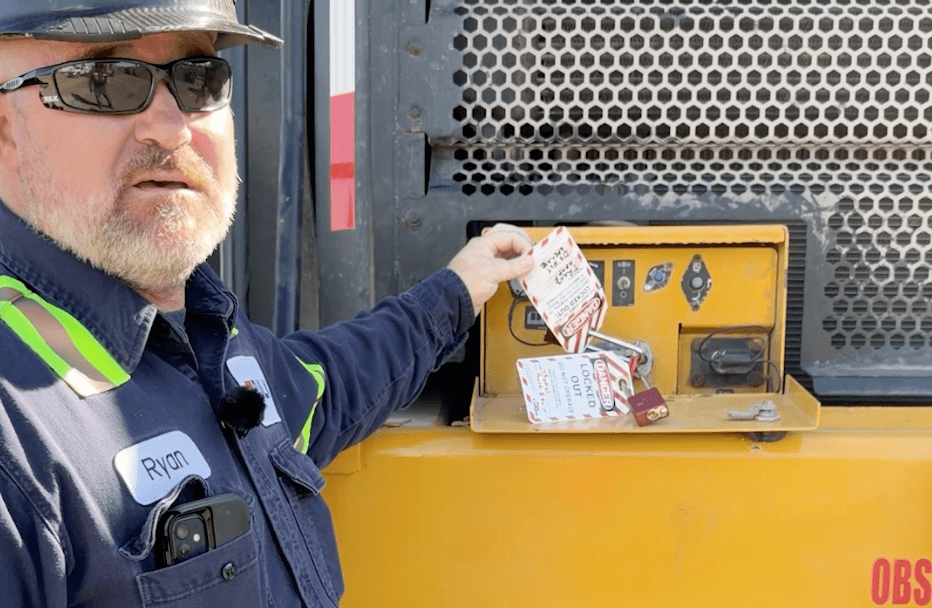
- Always disconnect power and apply lockout/tagout when maintaining or repairing equipment
- Eliminate potential hazards before starting work
- Locate and identify utilities such as overhead power lines and underground wires before starting work
- Use portable electric tools only if they are grounded or double insulated