Why Electronic Hydraulics Are Outlasting Pilot-Based Systems on Gradall Tear-Out Machines
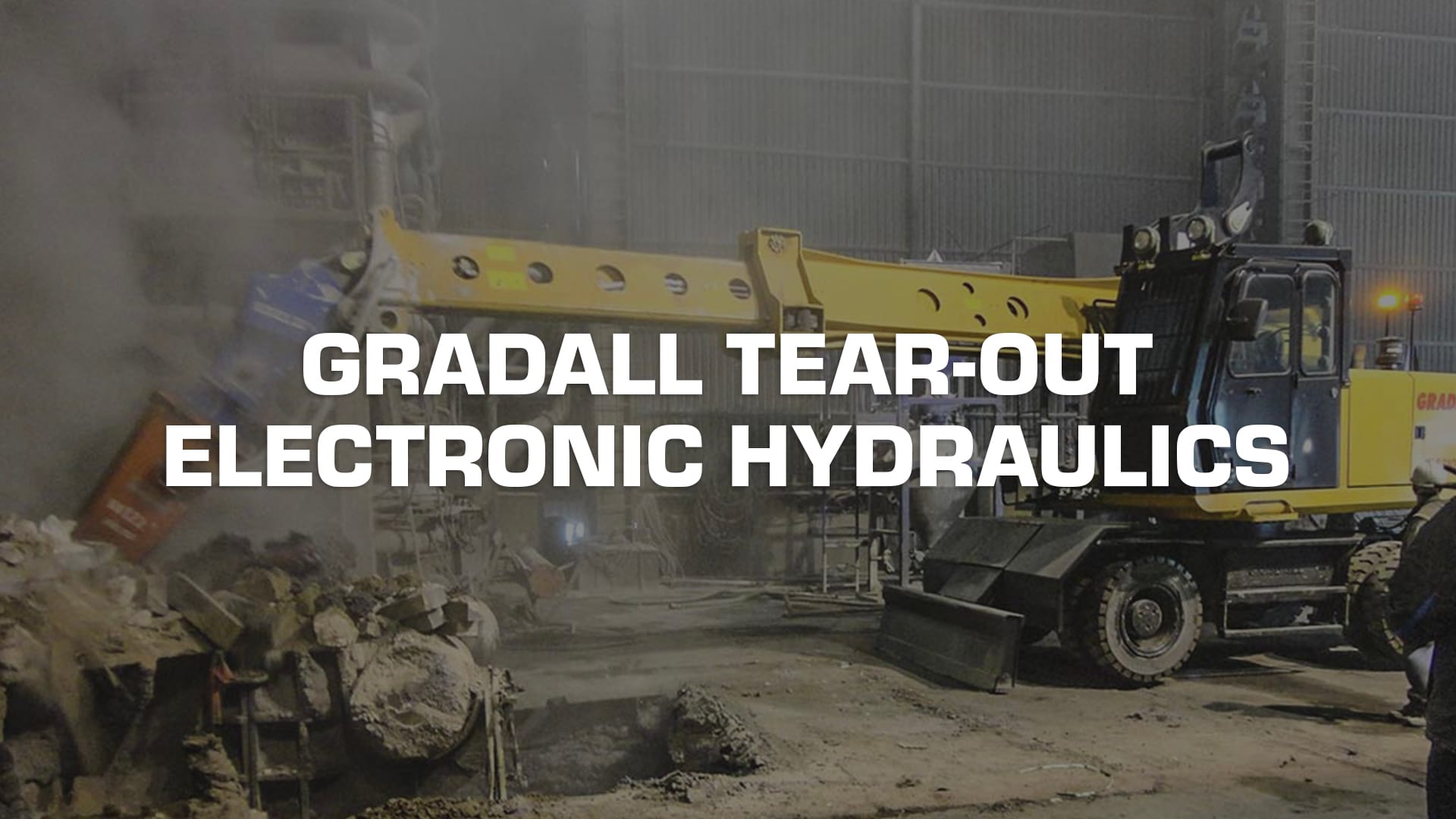
Older Gradall tear-out machines ran on pilot-based hydraulic systems with no electronics controlling the valves. A separate pilot pump supplied pressure through pilot lines that ran all the way up to the joysticks in the cab. Newer Gradall tear-out machines have replaced that setup with electronic control. The hydraulics connect electronically, which cuts out a large number of hydraulic lines and makes troubleshooting far more direct.
How Did Pilot-Based Hydraulic Systems Work on Older Machines?
On older tear-out machines, every joystick movement in the cab depended on a physical pilot line. A dedicated pilot pump built pressure, and that pressure traveled through lines that ran the full length of the machine up to the cab controls. There was no electronic layer managing the valves. It was a fully mechanical, pressure-based signal path from the joystick to the hydraulic function it controlled.
What Changed With Electronic Hydraulic Control?
On the newer systems, the joysticks in the cab are electronically controlled instead of running off pilot pressure. A technician can connect directly to the machine and to the hydraulics electronically to troubleshoot, rather than tracing pressure through a network of pilot lines. This removes a large number of hydraulic lines from the machine entirely, simplifying the overall system.
Why Does Electronic Control Make Troubleshooting Easier?
Because the hydraulics can be accessed electronically, a technician can connect straight to the machine and diagnose from there instead of manually tracing pilot lines to find where a problem originates. Fewer hydraulic lines also means fewer physical points where a leak or failure can occur in the first place.
How Are These Systems Performing Compared to Older Machines?
Based on what’s been seen in the field, the newer electronic hydraulic systems are lasting longer and working better than anything encountered on the older pilot-based machines. The reduction in hydraulic lines and the shift to electronic troubleshooting are the two changes driving that improvement.