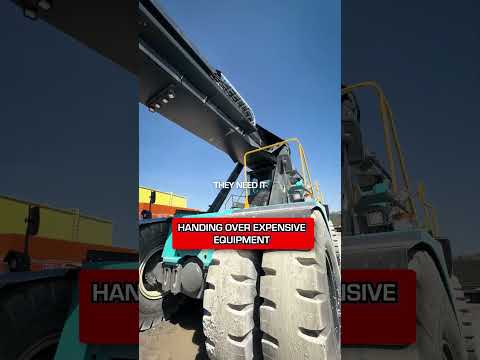
A hot pit loader is a wheel loader, in this case a Cat 988K, set up to dig cooled slag out of the pit at a steel mill and load it into rigid frame trucks for the haul to the waste area. Its hoses and grease lines are covered in stainless steel fire wrap, its tires run chains that sling hot material off, and its cab sits behind inch-thick sealed blast glass and is pressurized with filtered air. It carries an Ansul fire suppression system that sprays the center section if a hydraulic hose catches fire, covered fire extinguishers, a pre-cleaner and LED lighting for dusty conditions, ground-level lockout/tagout, and a park brake release and rear recovery cable for getting it out of the pit. None of this comes on a normal wheel loader; it is part of the steel mill arrangement specification.
What Does a Hot Pit Loader Do?
When steel rolls out and cools, the slag and impurities go into a big pit. After it cools, hot pit loaders go in, dig it up, and load it into rigid frame trucks, which haul it off to a waste area. The 988K hot pit loader covered here is one of the machines Bulk Equipment Corp., a brand-independent heavy equipment uptime partner serving heavy industry across the Midwest and Southeast, sets up for exactly that job.
How Is a Hot Pit Loader Protected From Heat and Fire?
The loader runs an Ansul fire suppression system, and chains on the tires protect them from the heat and keep slag from getting up inside the tire and starting a fire. At the operator station there is a cap on the front, and behind that cap is blast glass: bulletproof glass about an inch thick, several panes, sealed in place. Its first job is to protect the operator from heat and any kind of splash, and it also keeps gases out of the cab.
How Does Fire Wrap Protect a Hot Pit Loader’s Hoses?
All the hoses and grease lines on a hot pit loader, most visibly in the center section, are covered in fire wrap, so any hot slag or molten steel that drips onto them lands on stainless steel wrap instead of the line itself. The tire chains do a similar job lower down: when they pick up hot material as the machine drives, they sling it off before it can catch the tires on fire. That is different from a normal machine.
How Does Cab Pressurization Keep the Operator Safe?
A hose running up the back of the cab feeds a cab pressurization system. It works the way an airplane cabin is pressurized to keep passengers comfortable and safe: because the loader works in a hot environment full of hot dust and slag, the system filters the air, pressurizes the cab, and keeps clean air inside, pushing the dirt away from the operator.
How Does Fire Suppression Work on a Hot Pit Loader?
The hoses running through the center section of a hot pit loader carry a huge amount of hydraulic pressure at all times. If one of them catches fire, the operator can shut the machine off to stop the flow of oil, and when the fire suppression system is activated, a nozzle sprays agent down on the center section of the machine, keeping the fire from spreading and putting it out. The fire extinguishers on the machine also get special covers that keep debris off them, so when someone goes to use one, it actually works. That is equipment you would not see on a normal wheel loader; it is part of the steel mill arrangement specification.
How Does a Hot Pit Loader Keep Running in Dust?
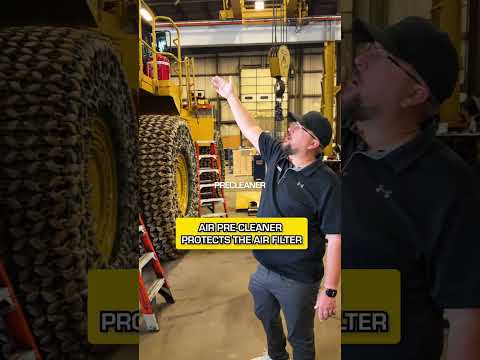
A pre-cleaner on top of the machine spins the dust out of the intake air, so the air is cleaned once before it ever reaches the air filter, which adds engine life and reliability. High-quality LED lighting lights the area up, and all the additional lighting on the machine is built around letting the operator see what he is doing in tough, dusty conditions.
How Is Lockout/Tagout Built Into a Hot Pit Loader?
The loader is set up for lockout/tagout from ground level, so a technician can safely work on the machine following Bulk’s protocol and the protocol most customers use. The goal is to make the process as easy as possible so people actually follow it and keep themselves and others safe. Once the machine is locked out, no one can walk up and start it: they have to find the technician working on it, ask whether it is okay, and have that technician supervise the startup.
What Happens If a Hot Pit Loader Fails in the Pit?
If something happens to the machine in the pit, the operator can flip a park brake release switch built into the loader, which releases the park brake and lets the machine free float in any direction. The loader also carries a recovery system: a cable with a hook on the back, and the truck it dumps into has a D-ring on the front hooked to the clevis underneath, so that truck can hook onto the rear of the loader and pull it out of harm’s way. The full breakdown is in What Happens If a Loader Fails in the Hot Pit?
Hot pit loaders like this come out of Bulk’s sourcing and customization work, and they can be rebuilt for a second life instead of replaced.
Rebuild or Buy New? Equipment SolutionsSubscribe to The Uptime Report
Practical insights on equipment, service, and fleet decisions that impact uptime. Straight from the field, no fluff.