How Does Cab Ergonomics Affect Heavy Equipment Operator Safety?
Executive Summary: Older machines with lever controls out in front of the operator and worn, uncomfortable seats wear operators down over a shift, and that ergonomic strain leads to more accidents and injuries. Modern cabs solve this by putting the controls right at a comfortable seat and keeping the operator cool and breathing clean air, which removes the fatigue and overuse problems the old cabs create.
Why Are Older Machines Tiring to Operate?
On old-style machines, the operator runs levers positioned out in front of him for the entire shift, and that constant reaching and pulling is physically tiring. Add a seat that is not comfortable, and the operator is fighting the machine all day instead of simply running it.
How Does Poor Cab Ergonomics Lead to Accidents?
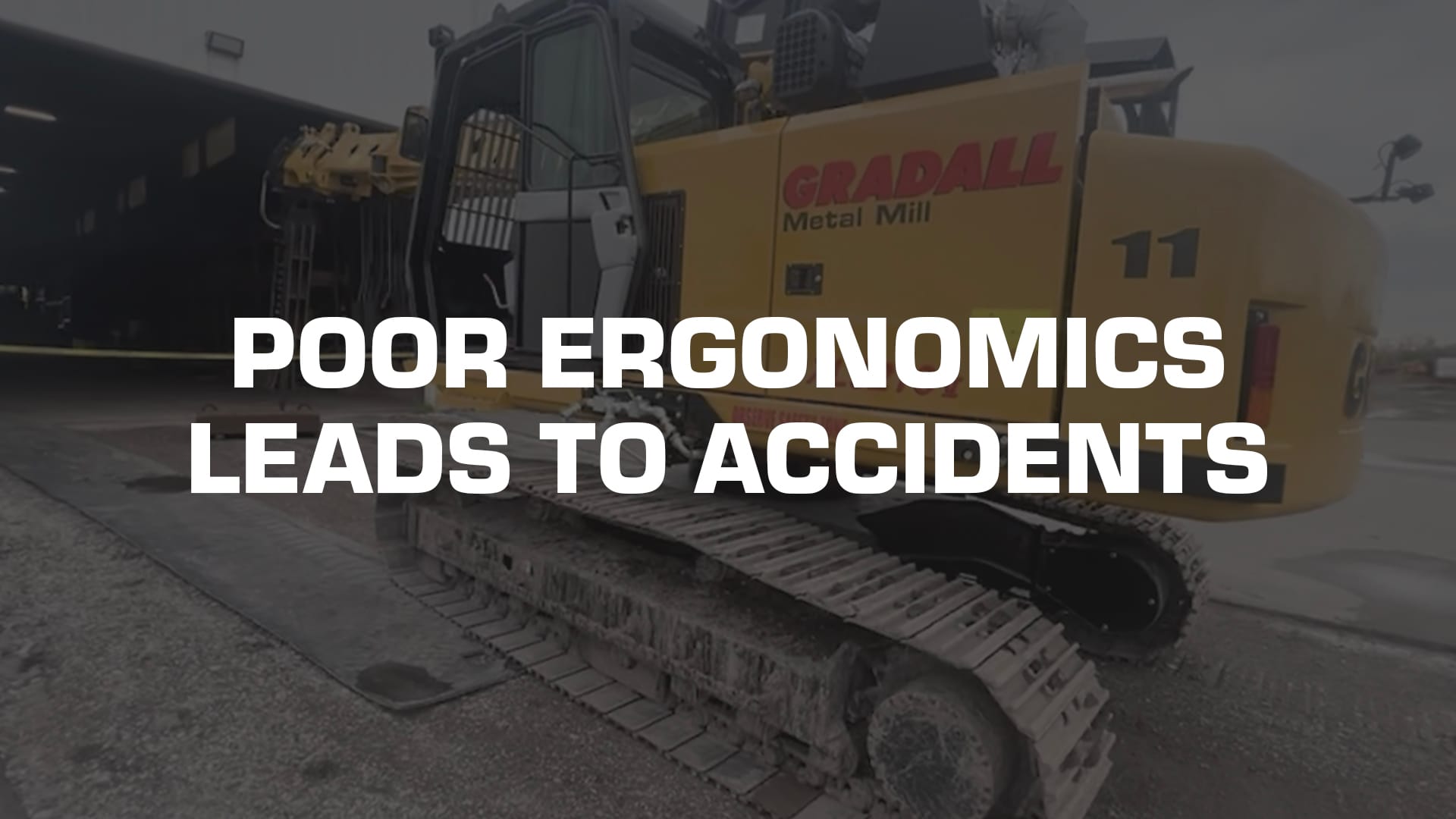
An uncomfortable seat and tiring controls are not just a comfort complaint. They become an ergonomic problem, and that ergonomic problem leads to more accidents and injuries on site. A worn-down operator is a less safe operator, which makes the cab itself a safety factor, not just a convenience.
What Makes a Modern Cab Ergonomically Friendly?
In a newer cab, the operator sits in a comfortable seat and runs the machine from controls positioned right where he sits, so he can actually sit back while operating. Compared to the old-style machines, the whole operating position is built around the operator instead of forcing the operator to adapt to the machine.
How Do Newer Cabs Protect the Operator Beyond Comfort?
A modern cab keeps the operator cool, keeps him in a safe environment, and keeps him breathing clean air throughout the shift. The fatigue and overuse problems that come with old cabs are eliminated with the newer technology and the nicer cab.