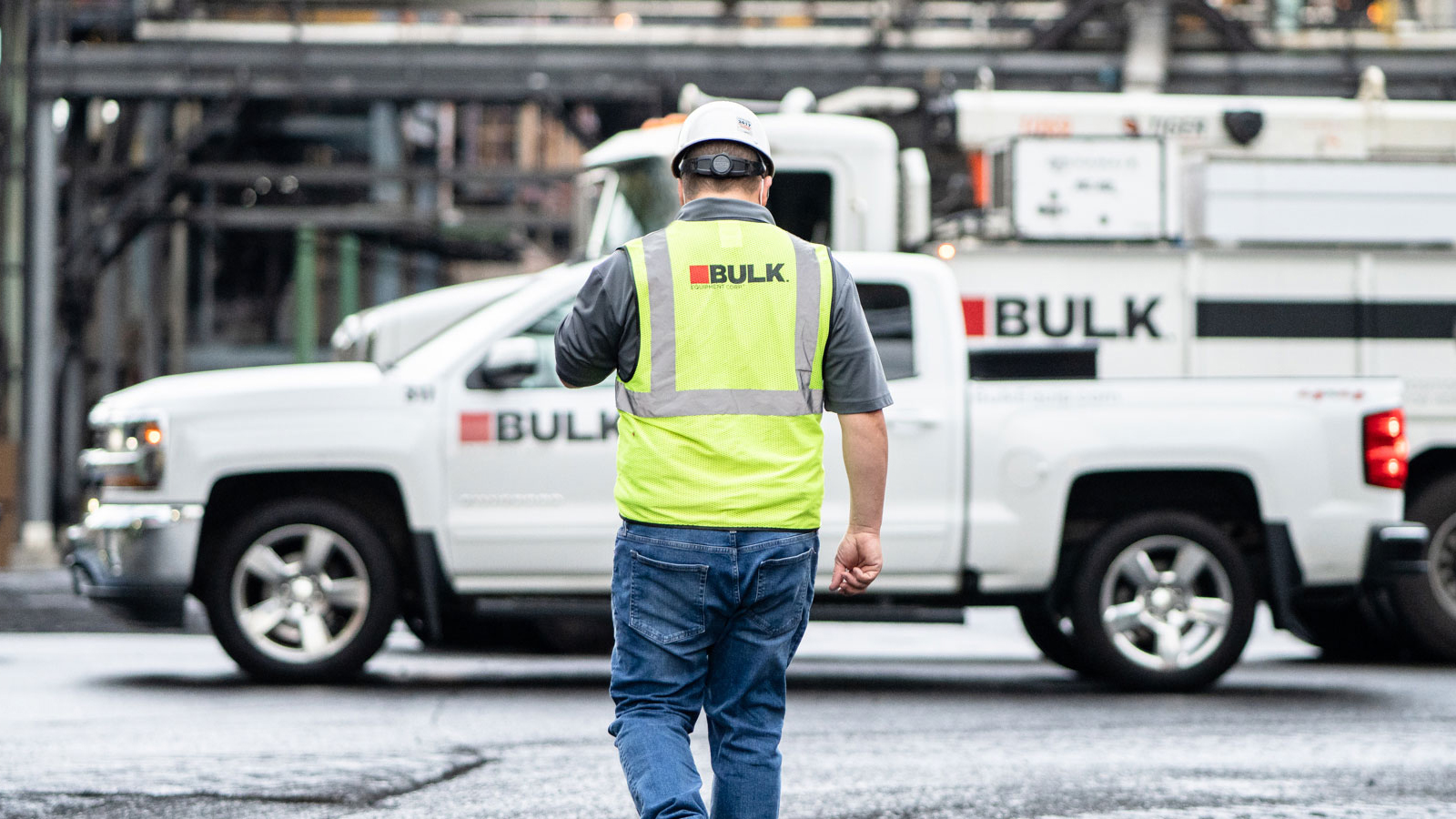
Nighttime work brings unique hazards from reduced visibility and increased risk for both workers and drivers. It is harder to see obstacles, hazards, and coworkers, and night work disrupts sleep patterns, which lowers alertness and concentration.
What Are the Specific Nighttime Hazards?
Low light and fatigue multiply the usual risks.
- Slips, trips, and falls, since it is harder to see uneven surfaces, obstacles, or spills
- Vehicle accidents, because poor visibility increases risk, especially where lighting is limited
- Equipment malfunctions that are harder to detect in low light
- An increased risk of fatigue, reduced alertness, and errors
What Can You Do to Work Safely at Night?
Light it up, stay visible, and stay alert.
- Improve lighting
- Wear high-visibility clothing
- Use retro-reflective tape and materials
- Control the work zone with reflective cones and flashing strobes
- Encourage regular breaks to combat fatigue and maintain alertness
- Maintain clear communication between workers and supervisors and report any hazards
- Be extra aware of railroad crossings, especially those without gates, and stop, look, and listen
- Go slow in unfamiliar areas and stay extra alert