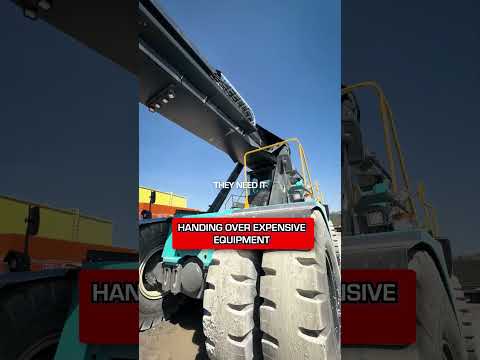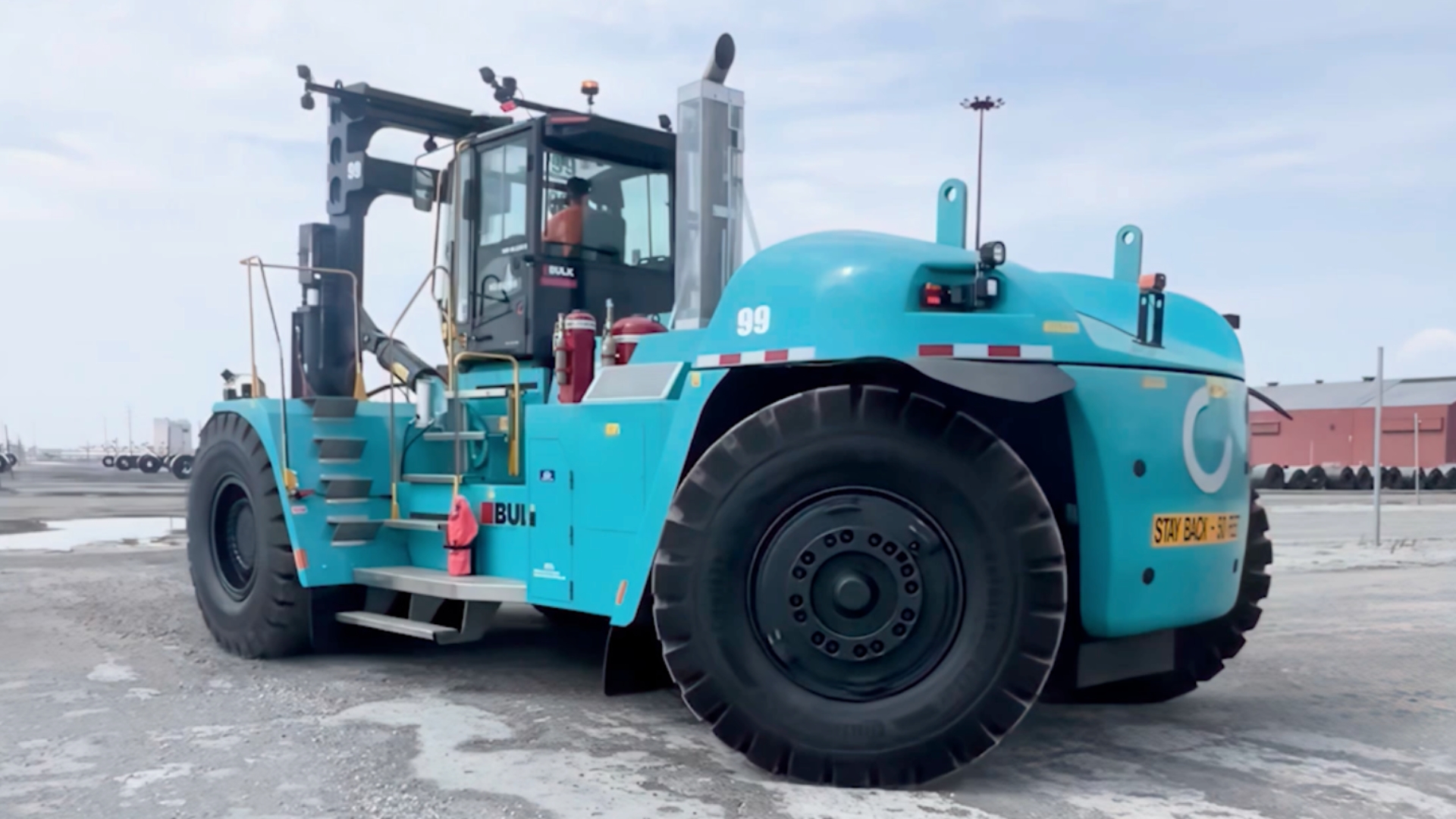
Tires on large lift trucks are expensive. In operations where machines are moving hot coils right in front of the front axle, managing tire pressure is one of the clearest opportunities to protect a significant line item in the maintenance budget.
Why Hot Coil Operations Create Unique Pressure Risks for Lift Truck Tires
Moving hot coils puts radiant heat directly in front of the tires on the front axle. Pressure levels that are acceptable at the start of a shift can drift outside the right range as conditions change throughout the operation.
Both over-inflation and under-inflation are destructive, and neither one is the lesser problem. Running too high puts tires at risk from the kind of stress that shortens their life fast. Running too low generates damaging heat through excessive flexing and breaks the tire down from the inside out. In a hot coil environment, both failure modes are more likely and more costly than in a standard operation.
How Wireless Tire Pressure Sensors Deliver Real-Time Data to the Cab
Wireless tire pressure monitor sensors installed on the truck transmit data directly into the cab. The operator can see what each tire is running at without stopping the machine or leaving the seat. That real-time visibility makes it possible to act before pressure drift turns into a tire problem.
This setup also benefits the tire supplier working with the operation. When pressure is managed consistently, tires are used efficiently and do not burn up ahead of schedule. The monitoring system gives both the facility and the tire company a clear picture of what the working environment is actually doing to the equipment over time.
Why Real-Time Pressure Data Is Valuable When Tires Cost This Much
Tires on large-capacity lift trucks are extremely expensive. Any time pressure runs out of range and shortens tire life, that cost shows up directly in the maintenance budget. Wireless monitoring gives Maintenance Managers the information they need to act before that happens.
The value is in knowing what the environment is doing to your tires in real time, not after the fact. Over-inflation is bad. Under-inflation is just as bad. Managing both requires the kind of visibility that a wireless pressure monitoring system provides on every shift.