How KAMAG Pot Carriers Protect the Hitch from Costly Bearing and Weld Repairs

Fleet ManagementKAMAG

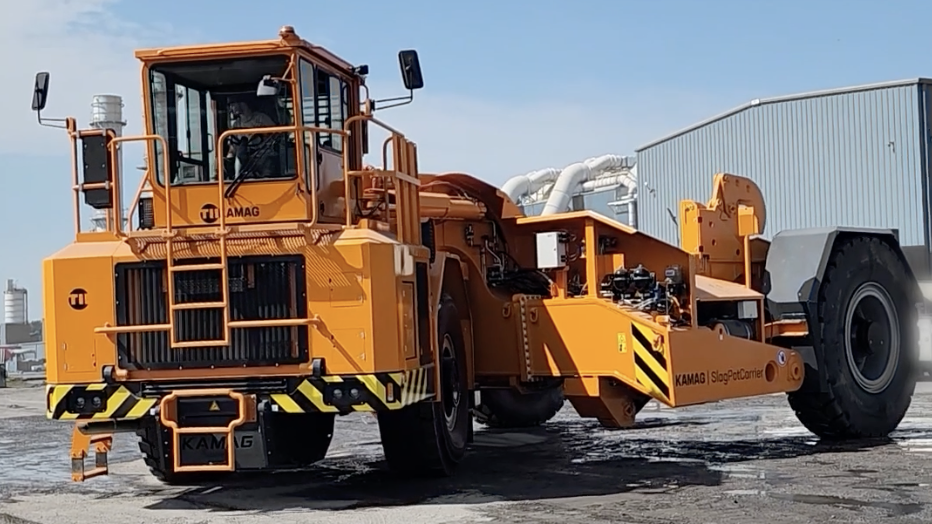
Hitch repair is one of the most expensive line items on a pot carrier. Bearing replacement and weld repair on the hitch assembly add up fast, and the steering system tied to that hitch takes a beating every time the carrier reaches the end of its stroke. KAMAG pot carriers are designed to eliminate the root cause before it ever reaches the hitch.

Why Hitch Bearing and Weld Repairs Are One of the Most Expensive PMs on a Pot Carrier

Anytime you’re doing bearing sets on a hitch, or going in to make weld repairs to that hitch, it’s a very costly PM and a very costly repair item. That cost lands on the maintenance budget every time the work has to be done, and it’s the kind of repair that doesn’t get cheaper as the equipment ages.

How KAMAG's Built-In Valving Stops the Hitch From Bottoming Out

KAMAG pot carriers have valving installed in the carrier itself that protects the hitch and steering system from being bottomed out on the right side or the left side. As the carrier moves toward the end of its stroke, the valving limits the flow of oil going to that cylinder and slows it down. It effectively shuts off the hydraulic system before the hitch can bottom out.

What This Means for Hitch Longevity and Your Repair Budget

Slowing the cylinder down removes the impact and the high force that would otherwise slam into the hitch assembly. That high force and banging is what affects the bearings and reduces the overall life of the hitch. By taking that impact out of the equation, the valving protects the hitch, increases its longevity, and removes one of the highest-value repairs on the carrier.
Get The Uptime Report

Practical insights on heavy equipment decisions, service, and downtime risks so you can keep your operation moving.

Related articles

ForkliftsKonecranes

Cummins vs Volvo: Which Engine Option Is Right for Your Konecranes Equipment?

Cummins vs Volvo engines on Konecranes equipment: brand trust versus continuous SCR regen, and how each regen process works.
SafetyToolbox Talks

How Do You Use Power Cords and Extension Cords Safely?

Inspecting cords before use, safe extension cord practices, when to use GFCIs, and the common cord mistakes to avoid.
GradallTear-Out

How Does Cab Ergonomics Affect Heavy Equipment Operator Safety?

https://www.youtube.com/shorts/MfQv1oDJJ3A How Does Cab Ergonomics Affect Heavy Equipment Operator Safety? Executive Summary: Older machines with lever controls out in front

SafetyToolbox Talks

What Is a Near Miss and Why Should You Report It?

What a near miss is, with examples, why reporting them prevents injuries, their common causes, and what to do after
GradallTear-Out

Why Rexroth Hydraulics Keep a Tear-Out Machine Out of Downtime

Rexroth hydraulics cut tear-out machine downtime with parts available immediately, a modern proportional system, and processor-based control.
GradallTear-Out

Pneumatic vs Hydraulic Hammer: Which One Holds Up in Extreme Heat?

Meta description: Pneumatic vs hydraulic hammers: hydraulic stays self-contained, but pneumatic runs cooler in extreme heat and protects seals.

Comments

Fill out the information below to leave a comment.