When Is Fall Protection Required and How Do You Use It?

SafetyToolbox Talks

Fall protection is required whenever working above four feet. Falls are one of the leading causes of serious injuries and fatalities in construction and general industry, and thousands of workers each year are hurt or killed by falls that proper equipment and procedures could have prevented.

What Are the ABCs of Fall Protection?

The basics break down into three parts.

  • Anchorage and anchorage connectors
  • Body wear, meaning a harness
  • A connecting device

What Are Common Fall Hazards?

Falls happen anywhere there is height or an opening.

  • Working on ladders, scaffolds, or roofs
  • Walking on elevated platforms, beams, or catwalks
  • Performing tasks near floor openings or unprotected edges
  • Using aerial lifts or bucket trucks

What Are the Key Fall Protection Reminders?

Inspect your gear and tie off the right way every time.

  • Always inspect your harness and lanyard before use
  • Ensure the anchorage point can support at least 5,000 pounds
  • Never tie off to scaffold rails or unapproved anchor points
  • Keep your lanyard snug, with no long slack that increases fall distance
  • Use ladders properly, with three points of contact, a level base, and a secure top
  • Cover or guard all floor holes or openings
Get The Uptime Report

Practical insights on heavy equipment decisions, service, and downtime risks so you can keep your operation moving.

Related articles

Fleet Management

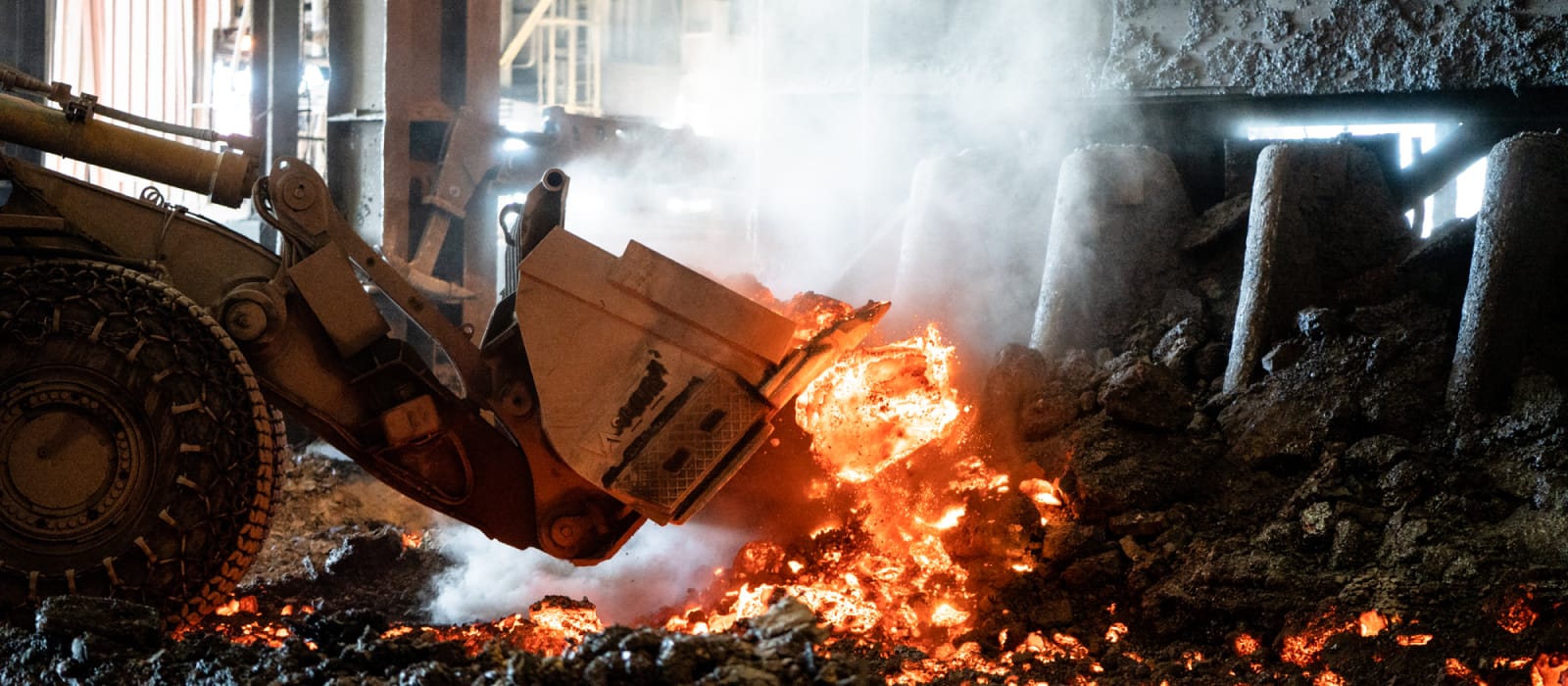
What Happens If a Loader Fails in the Hot Pit?

What happens if a loader fails in the hot pit? How a Cat 988K park brake release switch and rear
Fleet Management

Who Takes Care of Your Heavy Equipment Fleet After Delivery?

On-site heavy equipment maintenance after delivery: daily technician walkarounds, a site manager, and mechanics who keep fleets at premium uptime.
Safety

What Does Proper Lockout/Tagout Look Like on Heavy Equipment?

Lockout tagout safety on heavy equipment: each mechanic adds his own lock and tag, energy is isolated, wheels are chocked,
LAGTear-Out

How Does a Remote Controlled Tear-Out Machine Keep Operators Away From Molten Iron?

Remote controlled tear-out machines let operators stay a safe distance from molten iron, steel, and slag while the machine goes
Uncategorized

Could a Pedestrian Detection System Have Prevented This Tear-Out Injury?

Tear-out machine safety: AI pedestrian detection on a LAG machine slows the boom near a person and stops it before
GradallTear-Out

Why Electronic Hydraulics Are Outlasting Pilot-Based Systems on Gradall Tear-Out Machines

Gradall tear-out machines run electronic hydraulics instead of pilot lines, simplifying troubleshooting and outlasting older pilot-based systems.

Comments

Fill out the information below to leave a comment.