What PPE Is Required on the Job Site?

SafetyToolbox Talks

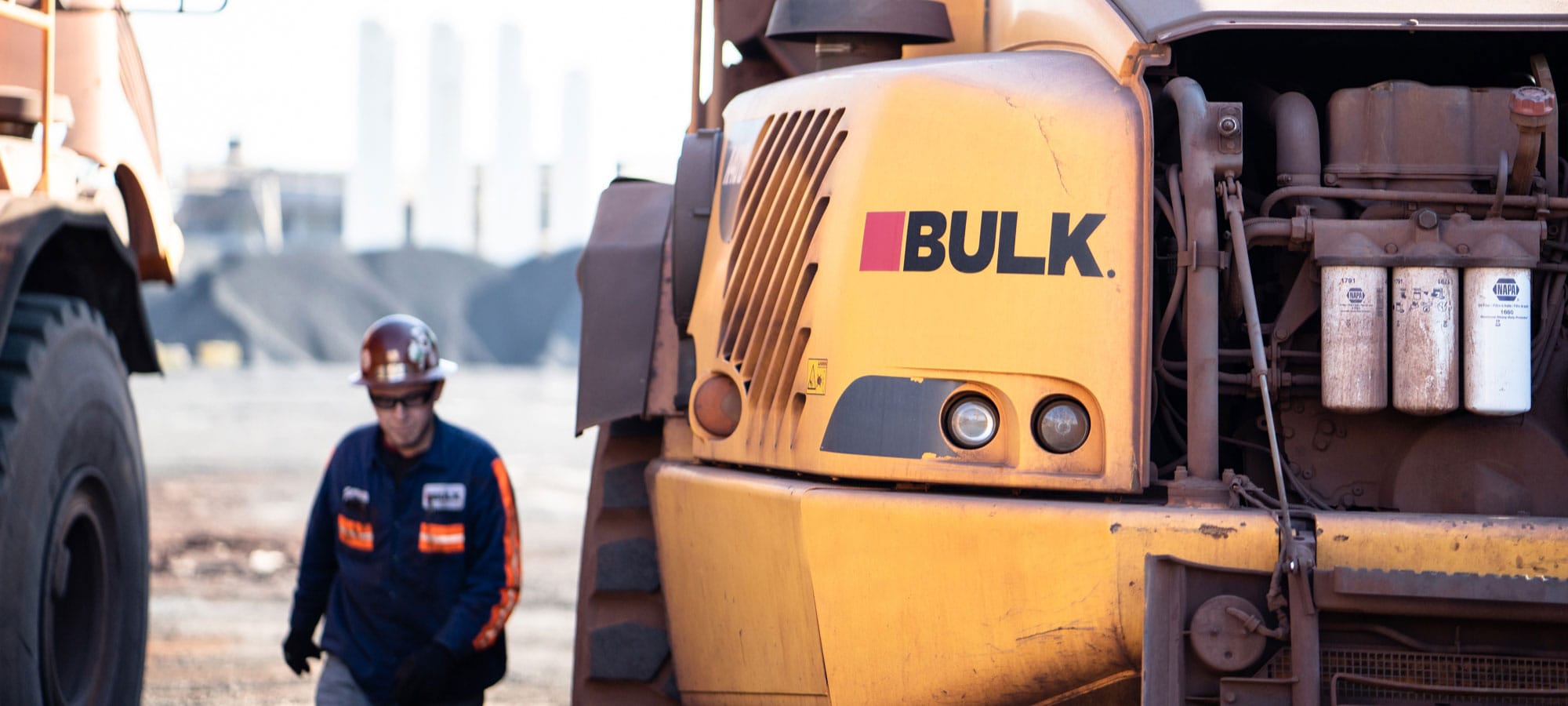
Personal protective equipment is gear worn to reduce the risk of exposure on the job. On customer sites and Bulk properties, a minimum set of PPE is required, and some customer sites call for more.

What Is the Minimum PPE Required on Site?

At a minimum, the following PPE is required on customer sites and Bulk properties:

  • Hard hat
  • Safety glasses
  • Safety-toed boots that meet site-specific and Bulk Equipment requirements
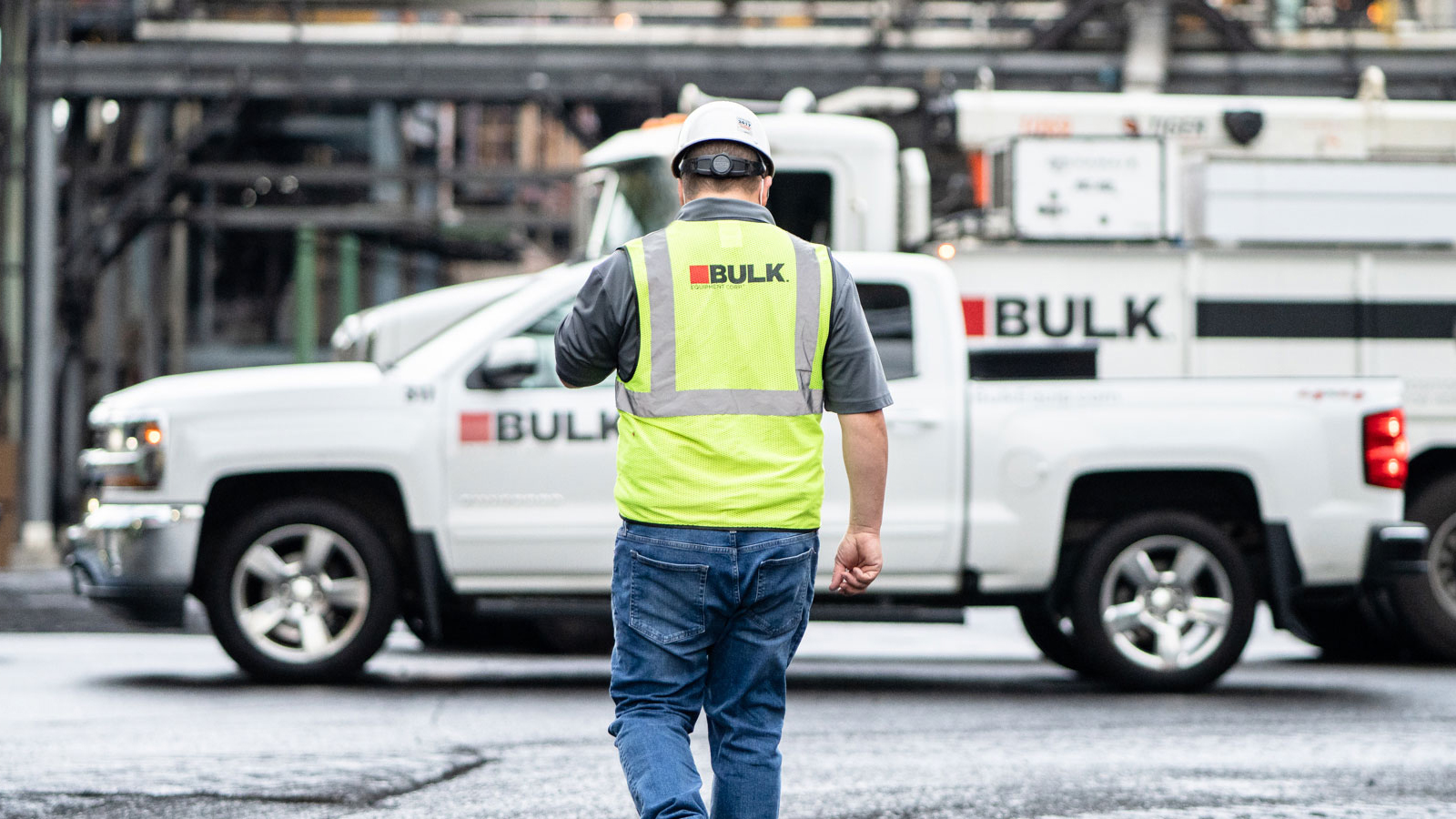
  • Reflective or high-visibility garments
  • Long sleeves and pants

Customer sites may have additional requirements, and all PPE must meet applicable OSHA and ANSI standards.

How Should PPE Be Maintained and Inspected?

PPE only protects you when it is in good condition, so check it before each use.

  • Keep clothing in good condition and properly fitted
  • Avoid holes or loose clothing that could get caught in equipment or moving parts
  • Conduct pre-use inspections on all PPE

How Should PPE Be Worn Correctly?

Wear PPE according to the manufacturer’s recommendations.

  • Gloves should fit snug against the hands
  • Hard hats should be worn with the bill to the front unless designated otherwise
  • Boots should be in good condition and laced up properly to avoid tripping hazards
  • Eye protection should be worn in all designated areas
  • Face shields should be locked into position to protect the entire face
Get The Uptime Report

Practical insights on heavy equipment decisions, service, and downtime risks so you can keep your operation moving.

Related articles

SafetyToolbox Talks

How Do You Safely Clear Snow?

Clearing your windows before driving, pushing instead of lifting, lifting with your legs, taking breaks, and knowing heart-attack signs.
SafetyToolbox Talks

What Should You Document After a Vehicle Crash?

The details, the other driver's and witnesses' information, police and report info, a diagram, and photos to document after a
SafetyToolbox Talks

Why Does Stopping Distance Matter, Especially in a Truck?

Why a loaded truck takes far longer to stop than a car, how speed and conditions add to it, and
SafetyToolbox Talks

How Does Work Area Setup Affect Safety?

How poor organization causes struck-by, slip, and caught-in hazards, and the practices that keep a work area safe.
SafetyToolbox Talks

How Do You Stay Safe from Lightning at Work?

Why metal equipment is dangerous in a storm, when to seek shelter, the 30-minute rule, and what to avoid during
SafetyToolbox Talks

How Do You Inspect Tools and Equipment Before Use?

How to check hand tools, powered tools, extension cords, vehicles, and cranes for damage before use to prevent injuries.

Comments

Fill out the information below to leave a comment.