What Is the Difference Between an Unsafe Act and an Unsafe Condition?

SafetyToolbox Talks

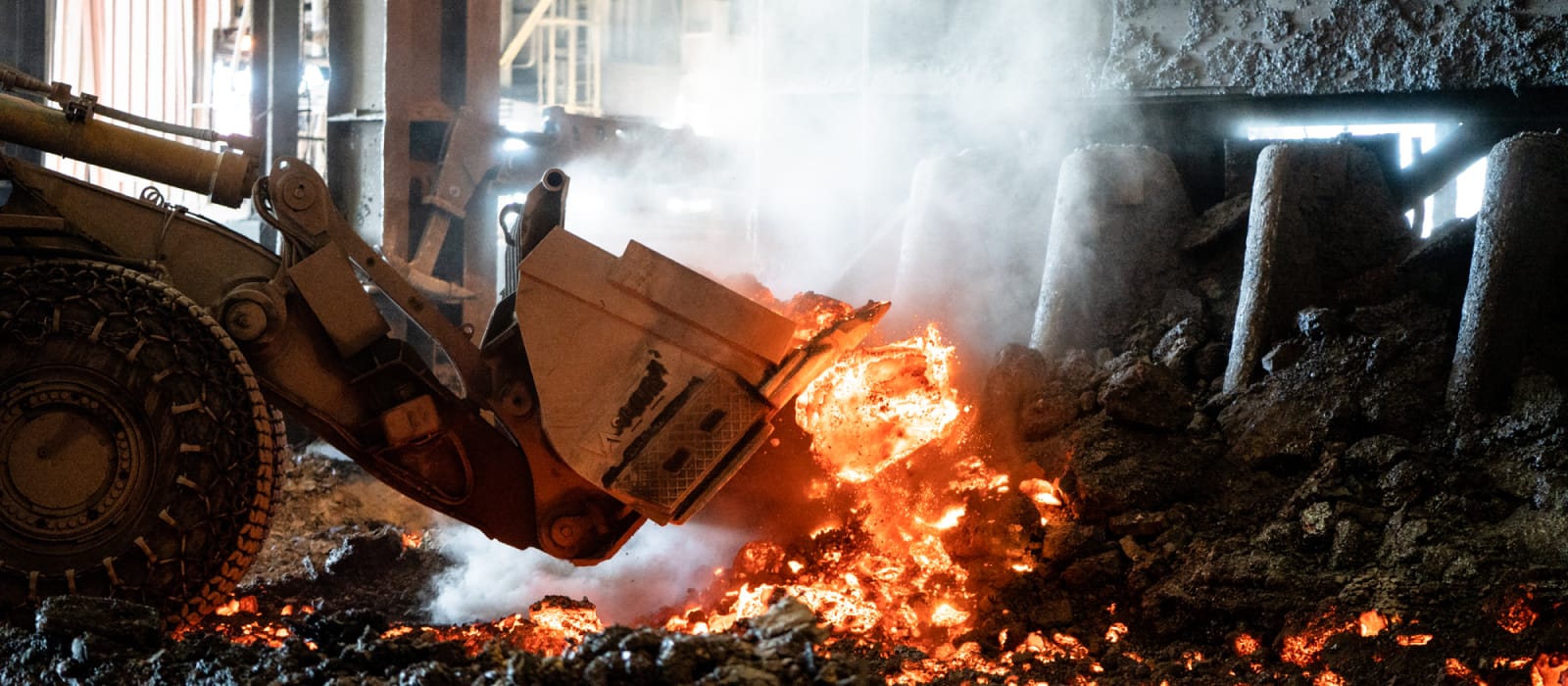
Workers are put in danger every day by unsafe conditions and unsafe acts. An unsafe condition is anything that could harm a worker, like a cluttered area or an electrical hazard, often the result of poor planning. An unsafe act is any behavior that puts you or others at risk, such as using improper tools, skipping PPE, or working without authorization. Reporting both to your supervisor immediately helps prevent injuries.

What Are Examples of Unsafe Conditions?

Unsafe conditions are hazards in the environment or equipment.

  • Flammable gases or vapors
  • Unguarded or improperly guarded machinery or tools
  • Loose electrical connections
  • Damaged or missing guardrails
  • Poor housekeeping or improper stacking of materials
  • Defective safety equipment such as eyewash stations or extinguishers
  • Damaged tools or defective materials
  • Inadequate illumination

What Are Examples of Unsafe Acts?

Unsafe acts are risky behaviors and choices.

  • Working without necessary PPE
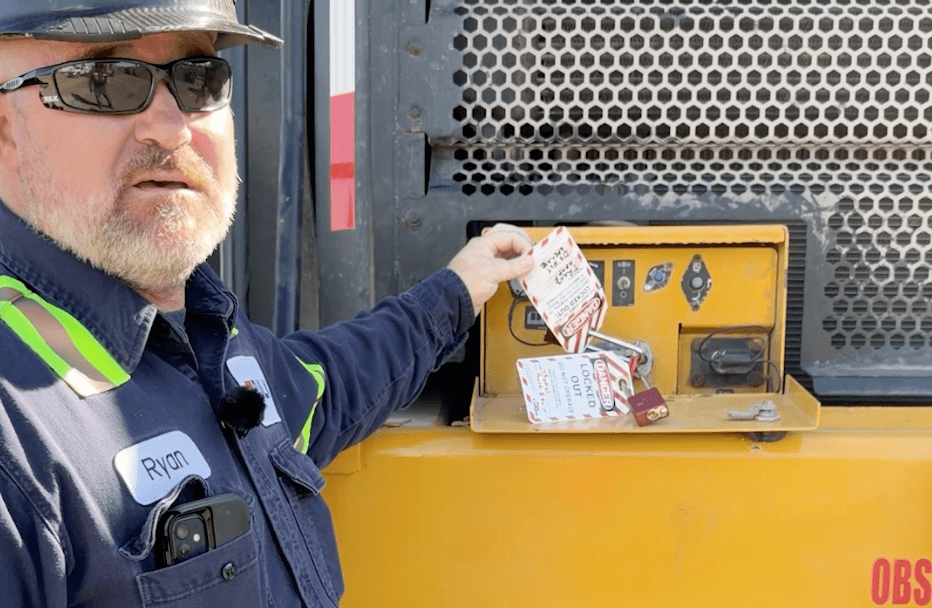
  • Not following safety policies like lockout/tagout or jacking and blocking
  • Not inspecting tools before use, or using defective tools
  • Using a machine or equipment without proper training
  • Driving while distracted
  • Not using a ladder correctly
  • Supervisors failing to recognize and address unsafe acts or conditions
  • Horseplay

Get The Uptime Report

Practical insights on heavy equipment decisions, service, and downtime risks so you can keep your operation moving.

Related articles

SafetyToolbox Talks

How Do You Safely Clear Snow?

Clearing your windows before driving, pushing instead of lifting, lifting with your legs, taking breaks, and knowing heart-attack signs.
SafetyToolbox Talks

What Should You Document After a Vehicle Crash?

The details, the other driver's and witnesses' information, police and report info, a diagram, and photos to document after a
SafetyToolbox Talks

Why Does Stopping Distance Matter, Especially in a Truck?

Why a loaded truck takes far longer to stop than a car, how speed and conditions add to it, and
SafetyToolbox Talks

How Does Work Area Setup Affect Safety?

How poor organization causes struck-by, slip, and caught-in hazards, and the practices that keep a work area safe.
SafetyToolbox Talks

How Do You Stay Safe from Lightning at Work?

Why metal equipment is dangerous in a storm, when to seek shelter, the 30-minute rule, and what to avoid during
SafetyToolbox Talks

How Do You Inspect Tools and Equipment Before Use?

How to check hand tools, powered tools, extension cords, vehicles, and cranes for damage before use to prevent injuries.

Comments

Fill out the information below to leave a comment.