What Is a 360 Walk-Around and Why Do It Before Driving?

SafetyToolbox Talks

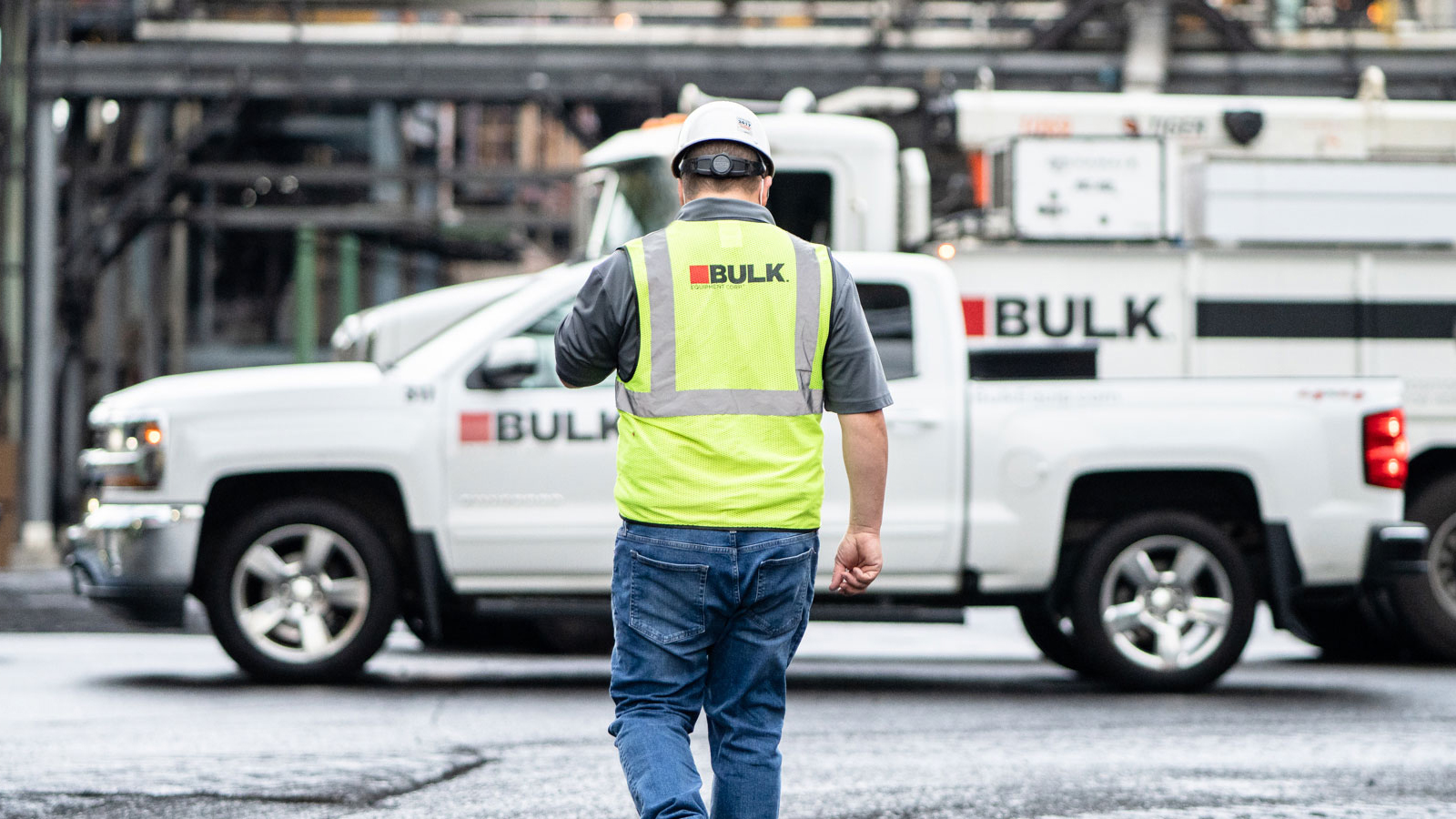
A 360 walk-around means inspecting all the way around your vehicle or unit before you move it, checking for loose or hazardous items on or near it. The goal is to catch hazards, such as objects that can get into wheel wells, loose materials on truck beds, or unsecured items, before they strike your vehicle or another one. Before you turn the keys or put the vehicle in gear, get out and walk around to look for hazards.

What Do You Check During a Visual Vehicle Inspection?

Walk the full perimeter and look high and low before moving.

  • Any visible damage or excessive tire wear that could affect driving
  • Remove any wheel chocks before movement
  • Make sure no one is behind or beneath the vehicle, especially small children
  • Double-check that loaded material or equipment is secure and will not fall or strike another vehicle in motion
  • Confirm all storage compartments are closed
  • Keep the dash and floorboard clear of objects that could block vision or driving
  • Park defensively and back into your parking position when possible
  • Avoid distractions and stay off the phone when driving, parking, or reversing
  • Back up slowly, and get out and look
Get The Uptime Report

Practical insights on heavy equipment decisions, service, and downtime risks so you can keep your operation moving.

Related articles

SafetyToolbox Talks

How Do You Safely Clear Snow?

Clearing your windows before driving, pushing instead of lifting, lifting with your legs, taking breaks, and knowing heart-attack signs.
SafetyToolbox Talks

What Should You Document After a Vehicle Crash?

The details, the other driver's and witnesses' information, police and report info, a diagram, and photos to document after a
SafetyToolbox Talks

Why Does Stopping Distance Matter, Especially in a Truck?

Why a loaded truck takes far longer to stop than a car, how speed and conditions add to it, and
SafetyToolbox Talks

How Does Work Area Setup Affect Safety?

How poor organization causes struck-by, slip, and caught-in hazards, and the practices that keep a work area safe.
SafetyToolbox Talks

How Do You Stay Safe from Lightning at Work?

Why metal equipment is dangerous in a storm, when to seek shelter, the 30-minute rule, and what to avoid during
SafetyToolbox Talks

How Do You Inspect Tools and Equipment Before Use?

How to check hand tools, powered tools, extension cords, vehicles, and cranes for damage before use to prevent injuries.

Comments

Fill out the information below to leave a comment.