A backover accident happens when an operator reverses into someone he cannot see. The answer to that risk is a system that watches the path for him: an always-on backup camera paired with pedestrian detection that defines a yellow and a red zone behind the machine and sounds an alarm the moment a person crosses into that path. It lets the operator reverse and keep working without having to guess whether the area behind him is clear.
Why Is Pedestrian Safety Such a Big Deal Around Lift Trucks?
An injury or worse is a big deal for everybody, and the environments these machines work in are rarely empty. There is almost always someone nearby, and that is especially true during repairs, when operators and maintenance people are moving around the equipment at the same time. The danger is knowing for certain that you are not going to reverse into someone you cannot see.
What Does the Backup Camera and Pedestrian Detection System Actually Do?
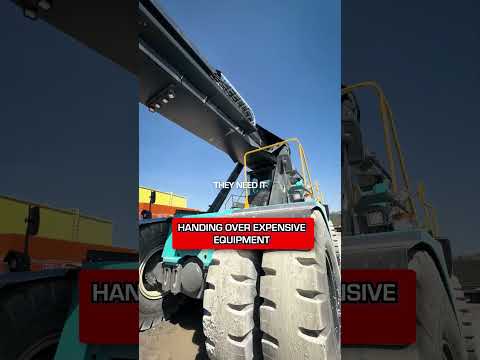
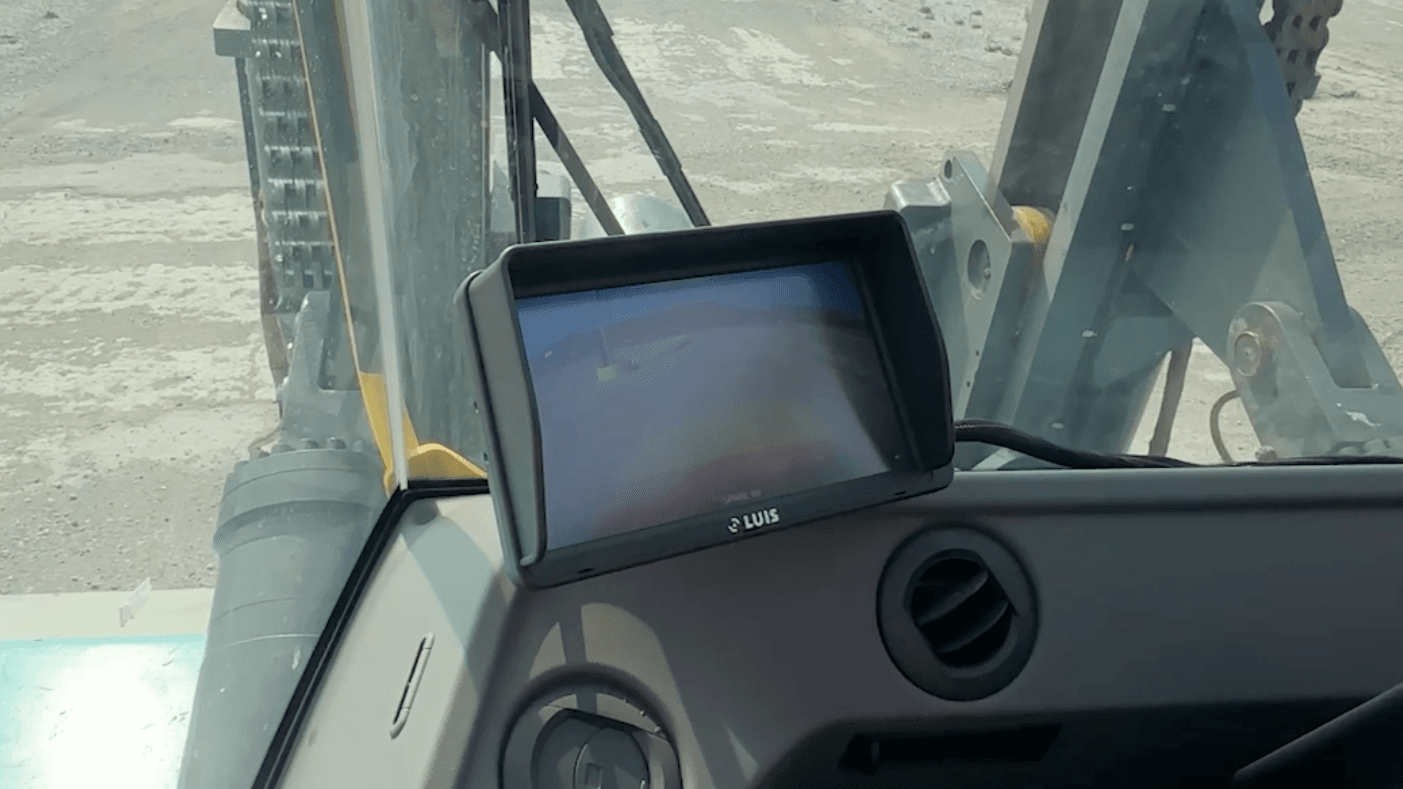
The system mounts down low on the machine and stays on the entire time the truck is running. It gives the operator a backup camera view so he can reverse easily and get back to where he is going, and it adds pedestrian detection on top of that view. Because it is always on, the operator is not relying on memory or mirrors to know what is behind him.
How Do the Yellow and Red Zones Work?
The detection system splits the area behind the machine into a yellow zone and a red zone. When a pedestrian is possibly crossing into that path, the system sounds an alarm. That alert gives the operator a warning to stop before the machine and the person ever meet.
How Does This Help the Operator Do the Job Safely?
The point of the setup is for the operator to do the job safely every time, without question. With the camera and the detection zones working together, he can reverse, stay aware of who is around him, and keep production moving without putting anyone at risk. Bulk Equipment Corp. equips its heavy material-handling machines to meet the specific safety requirements of the sites where they run, and a backup camera and pedestrian detection package like this one is an example of how a machine gets configured to a facility’s needs.