Back injuries can happen quickly, or the effects can come on gradually over time. Lifting properly, keeping good posture, and using the right tools all help reduce the risk.
How Do You Lift Smart?
Set up the lift before you pick anything up.
- Size it up first, and if it is heavy or awkward, get help or use equipment
- Keep the load close to your body
- Bend at your knees and hips, not your waist
- Tighten your core before lifting
- Never twist while lifting, and turn your whole body instead
Why Does Posture Matter?
Posture protects your back even when you are not lifting.
- Keep a neutral spine when standing, sitting, or working
- Do not hunch over tools, desks, or phones
- Adjust work surfaces so you are not constantly bending or reaching
How Do the Right Tools Protect Your Back?
Let equipment carry the load when you can.
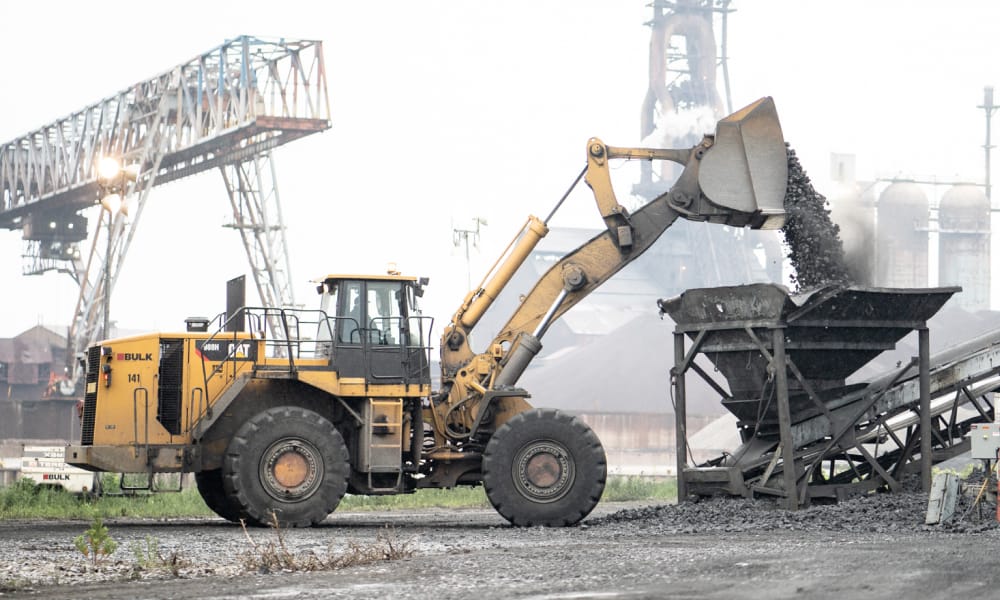
- Use dollies, carts, forklifts, and hoists, since they exist to save backs
- Adjust handles and equipment to your height when possible
- Stretch tight muscles such as hamstrings, hips, and lower back
- Warm up before physical work, because cold muscles are injured more easily
Why Should You Take Breaks?
Fatigue leads to sloppy movements and strains.
- Avoid staying in one position too long
- Take micro-breaks to reduce fatigue and sloppy movements
How Do You Know Your Limits?
Listen to early warning signs.
- Treat pain as a warning, not a challenge
- Report discomfort early, because small strains turn into big injuries fast
Most back injuries happen from repetition, poor posture, and rushing, not one big lift. Slow down, think ahead, and lift like you want your back to still work 20 years from now.