Daily checks on a lift truck are not optional. Fluid levels, dipstick readings, visible component condition. These happen before every shift, on every machine. The question is how long they take and how hard they are to do.
The Real Cost of a Slow Daily Check
No fleet gets checked multiple times a day. There is not enough time and there are not enough people. So the daily pre-shift inspection is often the only structured look a machine gets before it goes to work.
When that inspection is physically awkward — lifting hoods, crawling underneath the frame, tracking down components in different locations across the machine, it takes longer than it should. That lost time adds up across a shift, across a week, across a fleet.
But the bigger problem is what happens to consistency. When a check is hard to do, it gets rushed. Steps get skipped. The machines that do not get properly looked at are the ones that develop problems nobody catches until something stops working. A slow, frustrating inspection routine is not just an inconvenience. It is a reliability risk.
How Konecranes Approached Operator Accessibility
We worked directly with Konecranes to address this at the design level. The goal was to make daily check points easy to reach and easy to read, so the inspection gets done the right way every time.
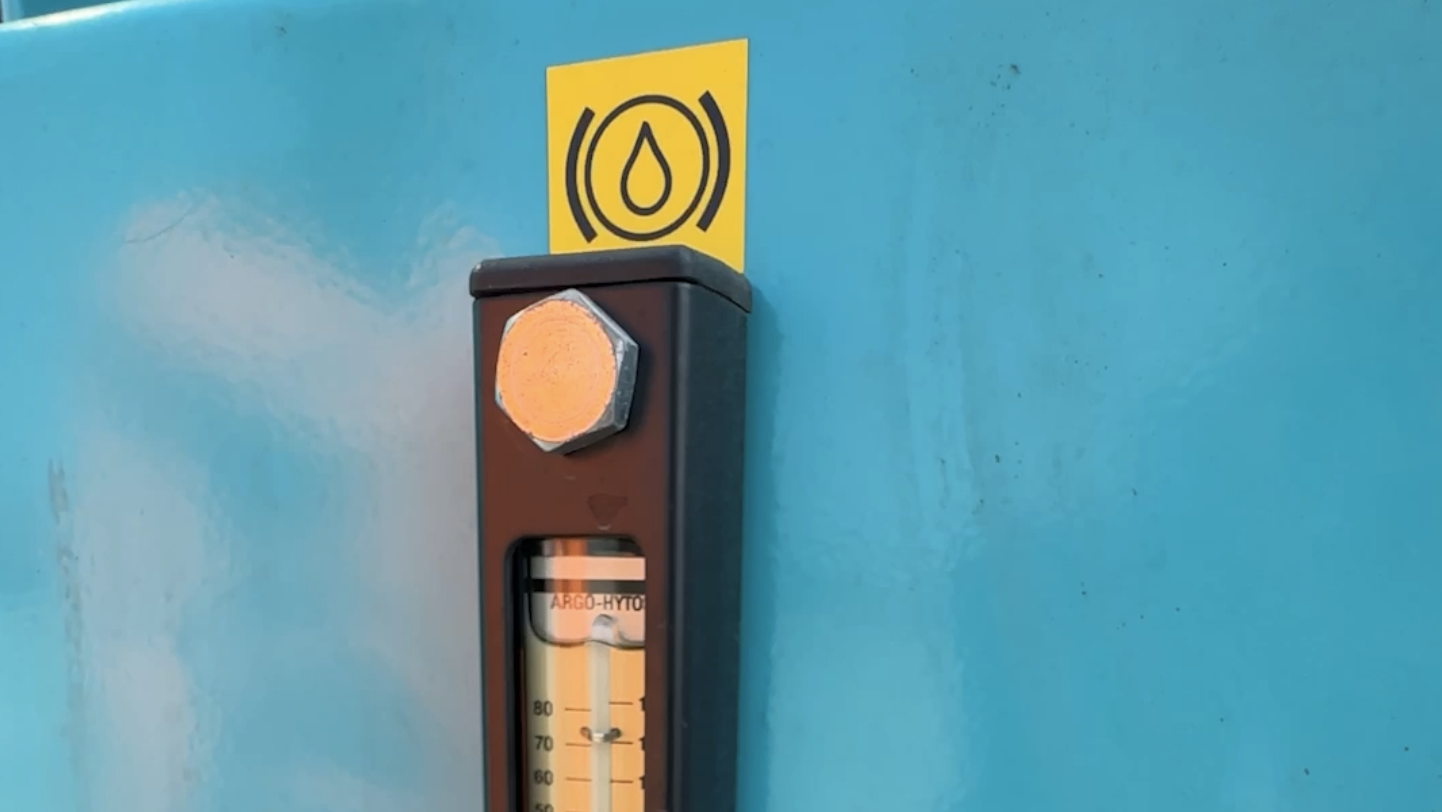
The solution was consolidation. Fluid levels, dipstick access, and other key daily check points were brought together into one accessible area on the machine. No hood to lift. No crawling underneath. Everything visible from one spot.
The inspection itself is straightforward: pull the dipstick, check the line, confirm it is all the way up. That is it. The simplicity is intentional and simple enough that anyone can be trained on it quickly, and fast enough that it does not cut into the start of the shift.
Why Simple Inspection Design Connects Directly to Uptime
Equipment that gets properly checked every day holds up better over time. Fluid levels caught early, before they become a problem, are what separate a five-minute fix from a multi-hour repair.
The ergonomic layout on Konecranes machines is not a comfort feature. It is a reliability feature. When the inspection is easy to complete, it gets completed. When it gets completed consistently, problems surface earlier. Earlier catches mean less unplanned downtime, lower repair costs, and longer machine life.
The daily check is where uptime starts. Designing that check to be fast and accessible is how Konecranes makes sure it actually happens.