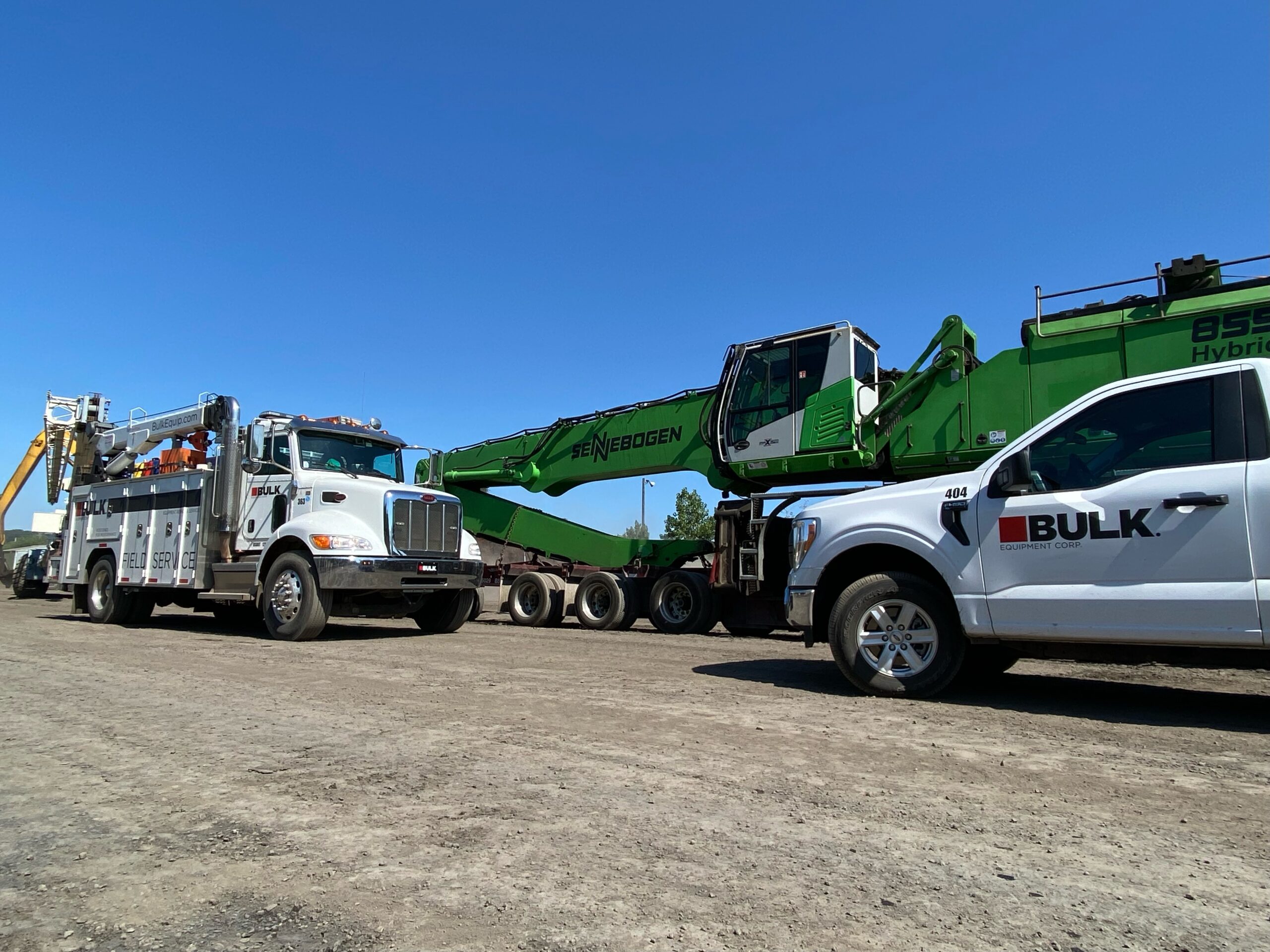
The biggest misconception we hear about buying a large machine is that the team assembles it, hands over the manuals, and is gone. That is not how it should work. Real support starts before the machine ever arrives on site and continues through assembly, on-site operator training, and follow-up contact after the crew is running on its own. The gap between those two experiences is where downtime and frustration live.
Why Does Equipment Support So Often End at Delivery?
Ask Maintenance Managers and Plant Managers what they get after a machine purchase and the common answer is some manuals and minimal telephone support at best. That is what many facilities receive from the local dealers they deal with: the machine shows up, it gets put together, and from that point the customer is on their own to figure out procedures and work through issues by phone. Because that experience has become accepted as normal, support after delivery is worth asking about before you ever commit to a machine.
What Does Ongoing Support Look Like Before and After the Machine Arrives?
Support should begin before the machine is on site, with prior planning and a working relationship already established. At Bulk Equipment Corp., by the time a machine arrives we have already been in contact with the customer and planned the project together. From there it runs through assembly and operator training, and it does not stop when our team leaves. We keep touching base through the customer’s first stretch of running the machine to make sure no issues come up, because the delivery is the start of the relationship, not the end of it.
What Do Customers Say About Our Equipment Delivery?
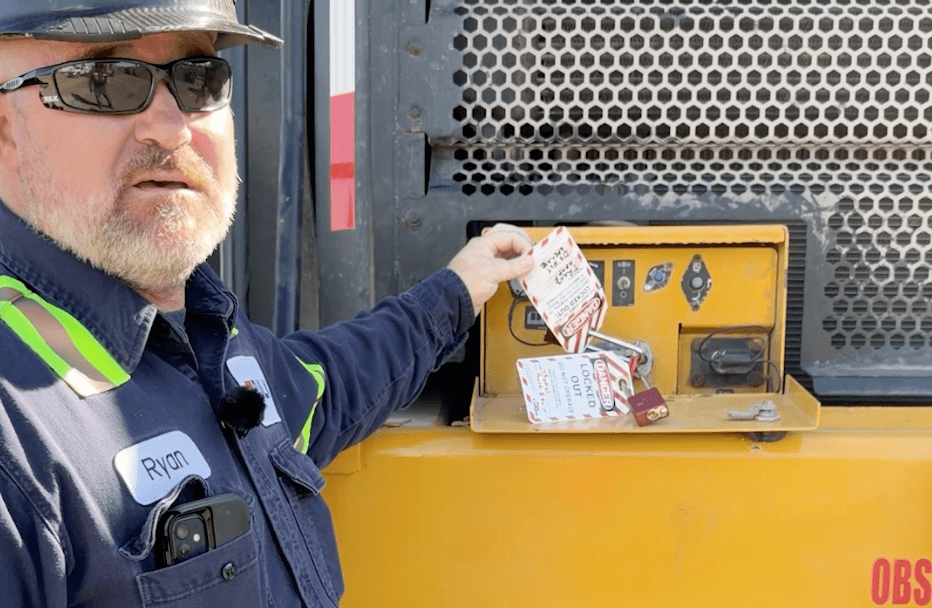
On a recent rollout, the site manager came out specifically to tell our team how much he appreciated the conversations throughout the project, and we set a training schedule for the following week so his own crew could be trained on the procedures. His reaction came down to one thing: that level of training is something he does not get from the local dealers he works with. Having your people trained on site, instead of being left a manual and a phone number, is the kind of support most equipment customers never see.