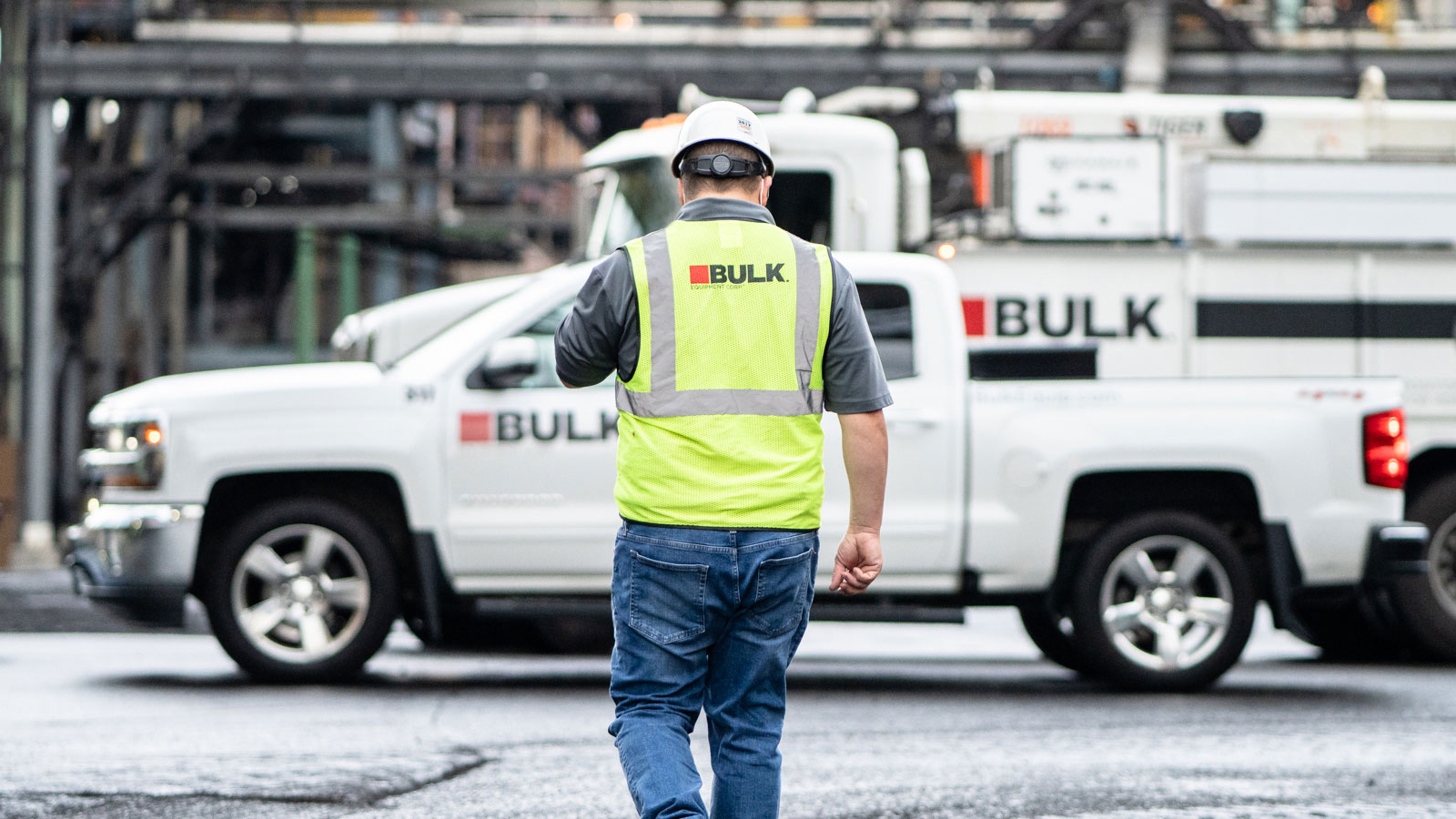
What Is Pre-Job Planning and When Is It Required?

SafetyToolbox Talks

Pre-planning before a task is one of the most effective safety habits. Sometimes it is an informal step, and other times it requires a documented Pre-Job Analysis, also called a HIRAC.

When Is a Documented Pre-Job Analysis Required?

A documented analysis is required for higher-risk work.

  • Free climbing above 6 feet
  • Troubleshooting energized equipment when more than one person is involved
  • Whenever a third-party crane is used for a lift
  • Critical lifts, meaning lifts with complex rigging or at or above 80 percent of rated lifting capacity
  • All electrical work over 600 volts
  • Tasks for which a Job Hazard Analysis does not exist

How Do You Conduct a Pre-Job Analysis?

Whether formal or informal, carefully think through each step, how the steps affect each other, and what hazards each one creates, then eliminate or control those hazards. For example, when cutting a railing from a piece of equipment, plan how you will support the railing once the final cut is made. If you ever need help with pre-planning or addressing the hazards you find, get help rather than leaving it to chance.
Get The Uptime Report

Practical insights on heavy equipment decisions, service, and downtime risks so you can keep your operation moving.

Related articles

Fleet Management

What Is Equipment as a Service (EaaS) for Heavy Equipment?

EaaS for heavy equipment explained: you buy hours, not a serial number, with daily maintenance, a backup machine if needed,
Fleet Management

How Much Can Skipping Preventive Maintenance Cost on Heavy Equipment?

Skipping preventive maintenance on heavy equipment can cost $75,000 to $100,000 in a premature engine failure. On-time oil and filter
Fleet Management

Why Are Maintenance Managers Nervous About Calling a New Service Company?

Why maintenance managers are nervous about calling a new service company: expensive assets, 24/7 uptime, and what eases the concern
Fleet Management

Why Does Technician Experience Matter on a Heavy Equipment Fleet?

Why technician experience matters on a heavy equipment fleet: technicians with decades on the iron guide each repair and are
Fleet Management

What Makes a Third-Party Field Service Contractor Professional?

What makes a third-party field service contractor professional? The repair is 10 percent of the job. Communication, timeliness, and follow-up
Fleet Management

Do Small Operations Get the Same Field Service as $100 Million Companies?

Do small operations get the same heavy equipment field service as $100 million companies? Why mom and pop operations get

Comments

Fill out the information below to leave a comment.