What Is a Permit-Required Confined Space?

SafetyToolbox Talks

A confined space is large enough for a worker to enter and perform work, has limited or restricted means of entry or exit, and is not designed for continuous occupancy. When certain hazards are present, the space becomes permit-required, and entry is tightly controlled.

What Makes a Confined Space Permit-Required?

A confined space is classified as permit-required if it contains one or more of these hazards.

  • Potential toxic gases such as hydrogen sulfide or carbon monoxide
  • Oxygen deficiency
  • Flammable gases or vapors
  • Airborne dust that could explode
  • Engulfment hazards such as water, sand, or sawdust
  • A shape or layout that could trap or asphyxiate a worker
  • Exposed electrical components, moving machinery, or extreme temperatures

What Does a Permit-Required Confined Space Program Include?

When those hazards are present, a written permit program is required.

  • Atmospheric testing
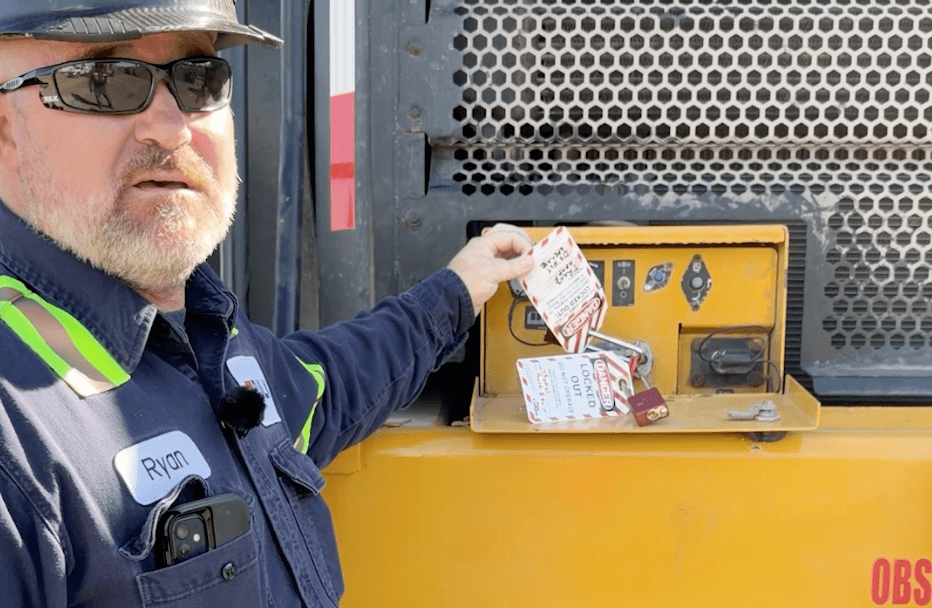
  • Lockout/tagout procedures
  • A rescue plan
  • Defined entrant and attendant roles
  • Proper signage and communication

Only trained and authorized individuals may enter permit-required confined spaces.
Get The Uptime Report

Practical insights on heavy equipment decisions, service, and downtime risks so you can keep your operation moving.

Related articles

GradallTear-Out

Pneumatic vs Hydraulic Hammer: Which One Holds Up in Extreme Heat?

Meta description: Pneumatic vs hydraulic hammers: hydraulic stays self-contained, but pneumatic runs cooler in extreme heat and protects seals.
SafetyToolbox Talks

How Do You Safely Clear Snow?

Clearing your windows before driving, pushing instead of lifting, lifting with your legs, taking breaks, and knowing heart-attack signs.
SafetyToolbox Talks

What Should You Document After a Vehicle Crash?

The details, the other driver's and witnesses' information, police and report info, a diagram, and photos to document after a
SafetyToolbox Talks

Why Does Stopping Distance Matter, Especially in a Truck?

Why a loaded truck takes far longer to stop than a car, how speed and conditions add to it, and
SafetyToolbox Talks

How Does Work Area Setup Affect Safety?

How poor organization causes struck-by, slip, and caught-in hazards, and the practices that keep a work area safe.
SafetyToolbox Talks

How Do You Stay Safe from Lightning at Work?

Why metal equipment is dangerous in a storm, when to seek shelter, the 30-minute rule, and what to avoid during

Comments

Fill out the information below to leave a comment.