Compressed air powers tools, cleans equipment, and runs systems in many workplaces. It seems harmless, but air under pressure can cause serious injuries, including eye damage, hearing loss, and even fatal internal injuries.
What Are the Hazards of Compressed Air?
Pressurized air is far more dangerous than it appears.
- Injection injuries, since air can penetrate the skin and cause tissue and organ damage
- Flying debris, because air used for cleaning can send particles into the eyes and skin
- Noise hazards, since compressed air tools and leaks can exceed safe noise levels
- Hose whip, where a damaged or loose hose can whip violently and strike workers
How Do You Prevent Compressed Air Injuries?
Use the right nozzle, wear protection, and depressurize before service.
- Never use compressed air to clean clothing, hair, or skin
- Use safety nozzles that reduce pressure below 30 psi for cleaning
- Wear eye and face protection when using compressed air
- Inspect hoses and connections before use and replace damaged equipment immediately
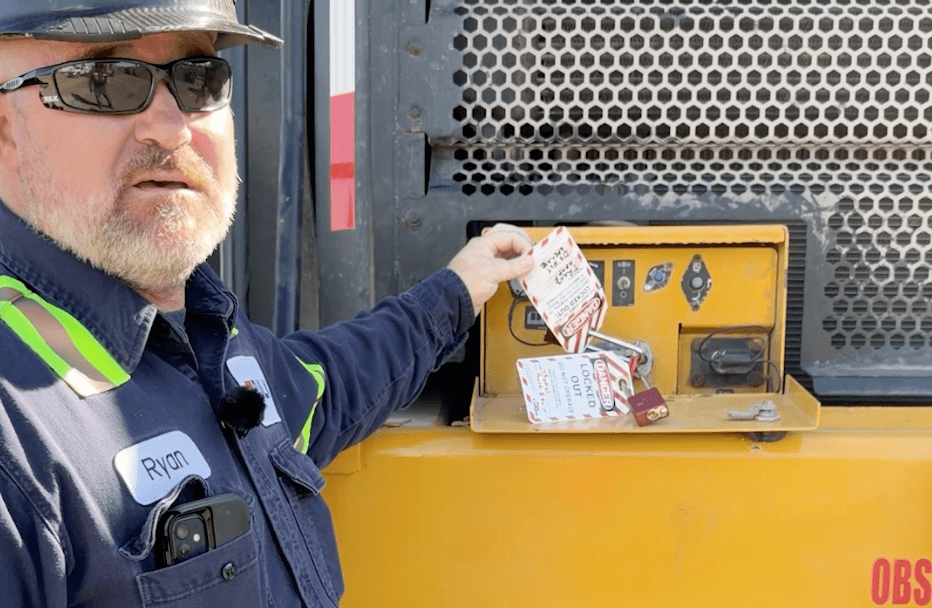
- Always shut off the air supply and release pressure before changing attachments or performing maintenance
- Store hoses properly to avoid trip hazards and damage
Just How Dangerous Is Compressed Air?
Even small amounts of pressure can cause catastrophic harm. Compressed air can enter the body through the navel, even through clothing, and inflate or rupture the intestines, and as little as 12 pounds of pressure can blow an eye out of its socket. Compressed air is a powerful tool, but it must be respected, so always follow safety guidelines, use the right equipment, and never take shortcuts.