Pneumatic vs Hydraulic Hammer: Which One Holds Up in Extreme Heat?

GradallTear-Out

Executive Summary: Most of the time a hydraulic hammer is the right call because everything stays self-contained. But in situations with super high heat, pneumatic is the better choice because it keeps the hammer cool. Running nitrogen through a pneumatic hammer keeps the system clean, makes the hammer run longer, and keeps the seals from blowing out.

Why Is a Hydraulic Hammer the Default Choice?

A hydraulic hammer is the preferred option most of the time because everything is self-contained. There is no separate supply to manage, which is why it is the setup of choice for the majority of jobs.

When Should You Switch to a Pneumatic Hammer?

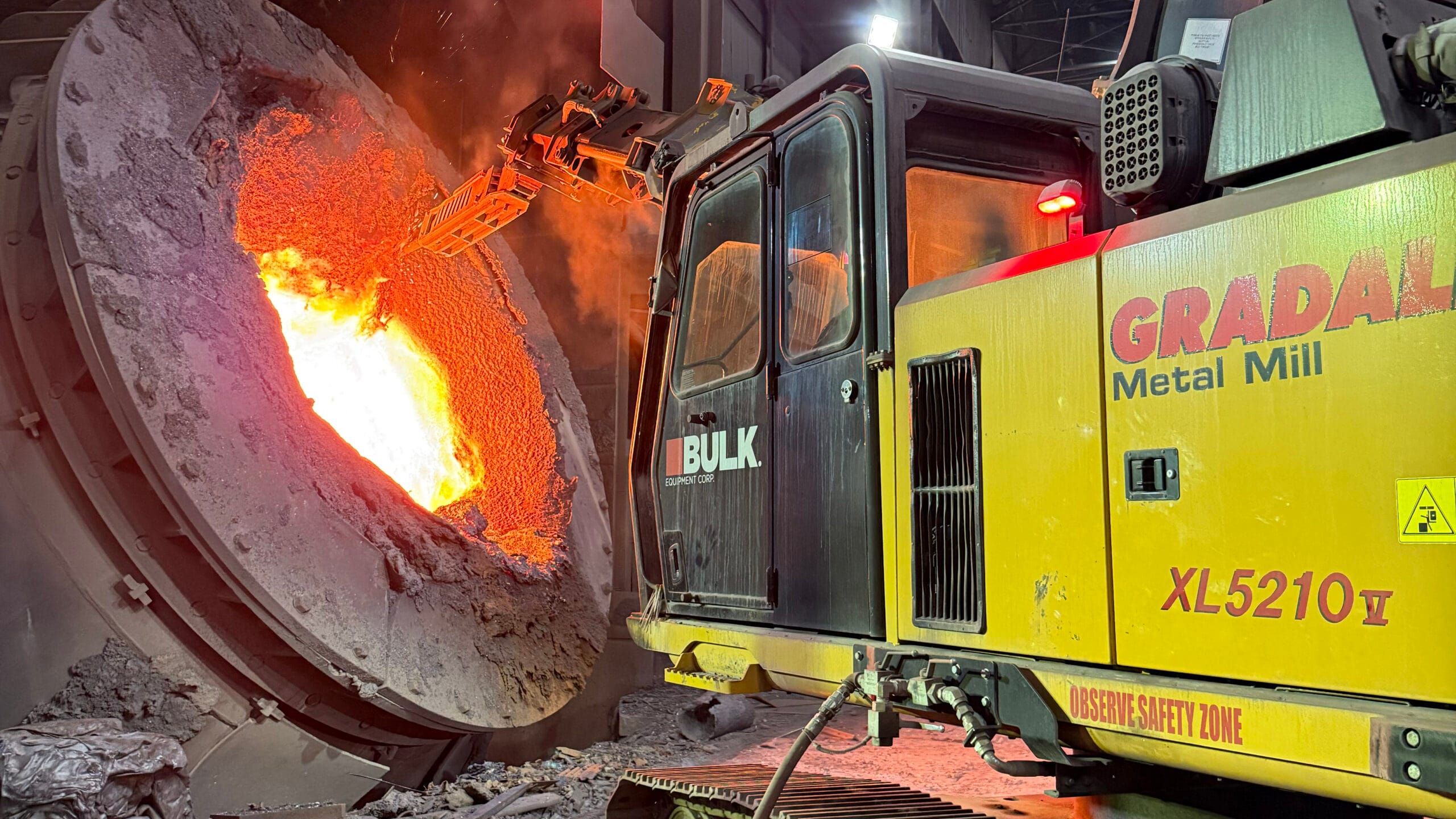
In certain situations with super high heat, it is better to run pneumatic instead of hydraulic. The reason is simple: pneumatic keeps the hammer cool, which matters most when the heat would otherwise work against the machine.

Why Run Nitrogen Through a Pneumatic Hammer?

A lot of the time the pneumatic hammer is run on nitrogen because it is really clean and keeps contamination out of the system. That keeps the hammer running longer, but most importantly it keeps the hammer cool and keeps the seals from blowing out of it.
Get The Uptime Report

Practical insights on heavy equipment decisions, service, and downtime risks so you can keep your operation moving.

Related articles

SafetyToolbox Talks

How Do You Safely Clear Snow?

Clearing your windows before driving, pushing instead of lifting, lifting with your legs, taking breaks, and knowing heart-attack signs.
SafetyToolbox Talks

What Should You Document After a Vehicle Crash?

The details, the other driver's and witnesses' information, police and report info, a diagram, and photos to document after a
SafetyToolbox Talks

Why Does Stopping Distance Matter, Especially in a Truck?

Why a loaded truck takes far longer to stop than a car, how speed and conditions add to it, and
SafetyToolbox Talks

How Does Work Area Setup Affect Safety?

How poor organization causes struck-by, slip, and caught-in hazards, and the practices that keep a work area safe.
SafetyToolbox Talks

How Do You Stay Safe from Lightning at Work?

Why metal equipment is dangerous in a storm, when to seek shelter, the 30-minute rule, and what to avoid during
SafetyToolbox Talks

How Do You Inspect Tools and Equipment Before Use?

How to check hand tools, powered tools, extension cords, vehicles, and cranes for damage before use to prevent injuries.

Comments

Fill out the information below to leave a comment.