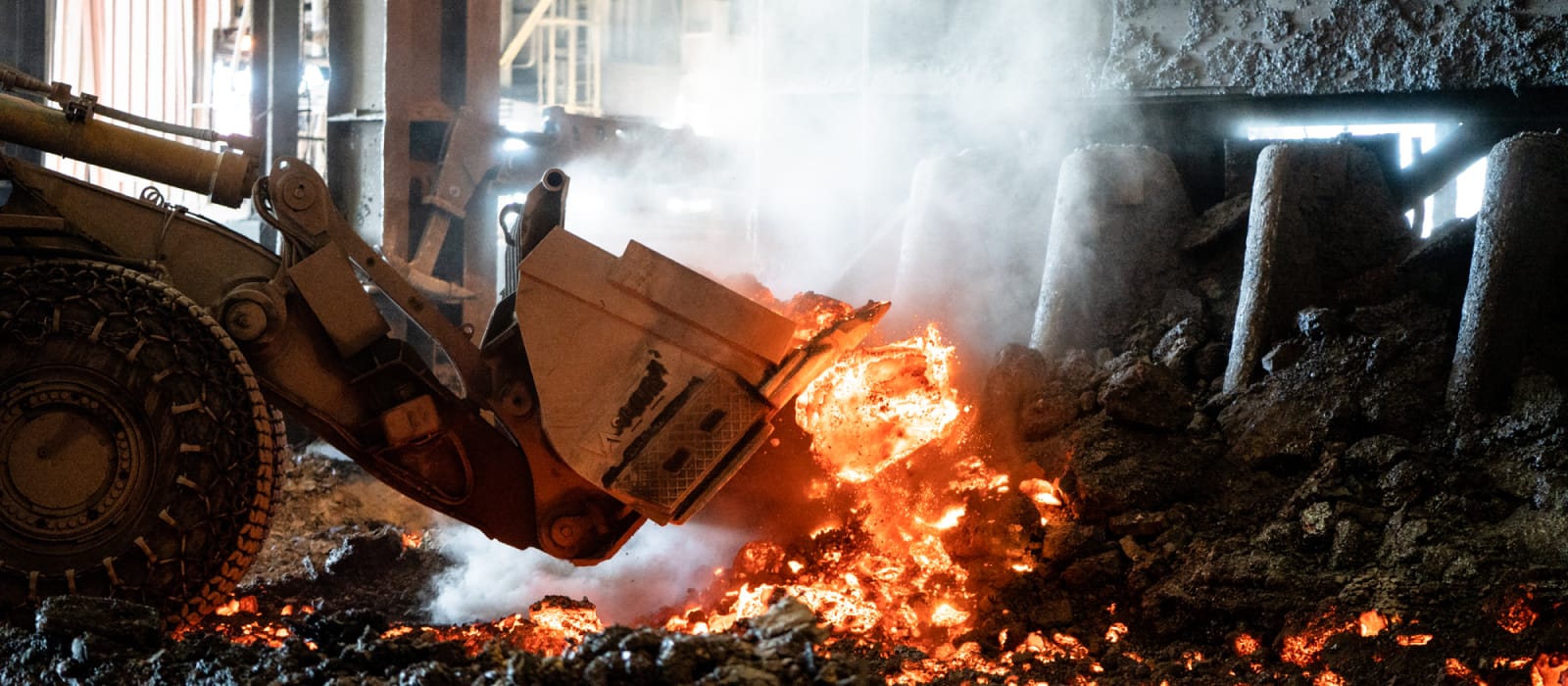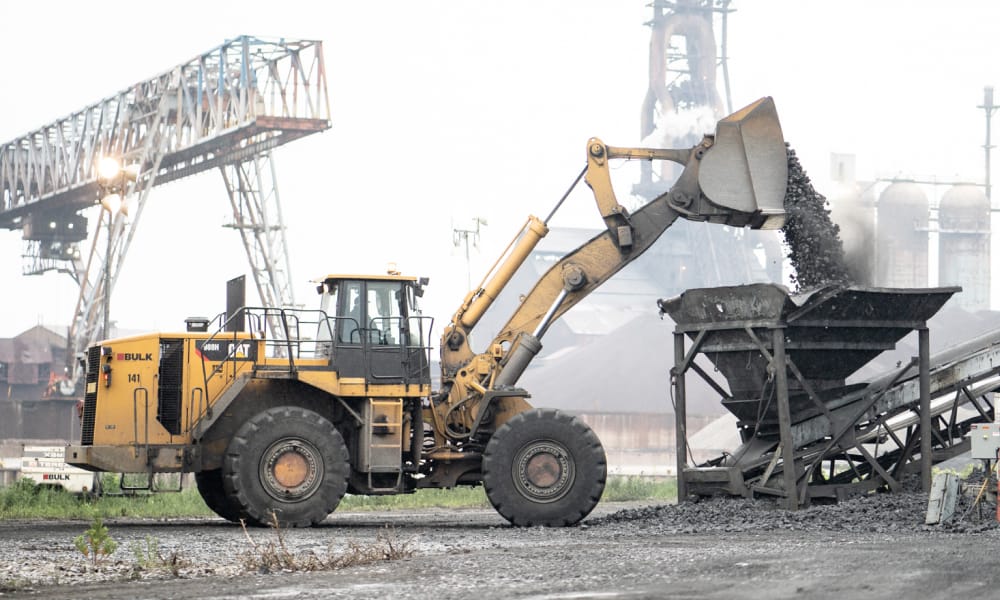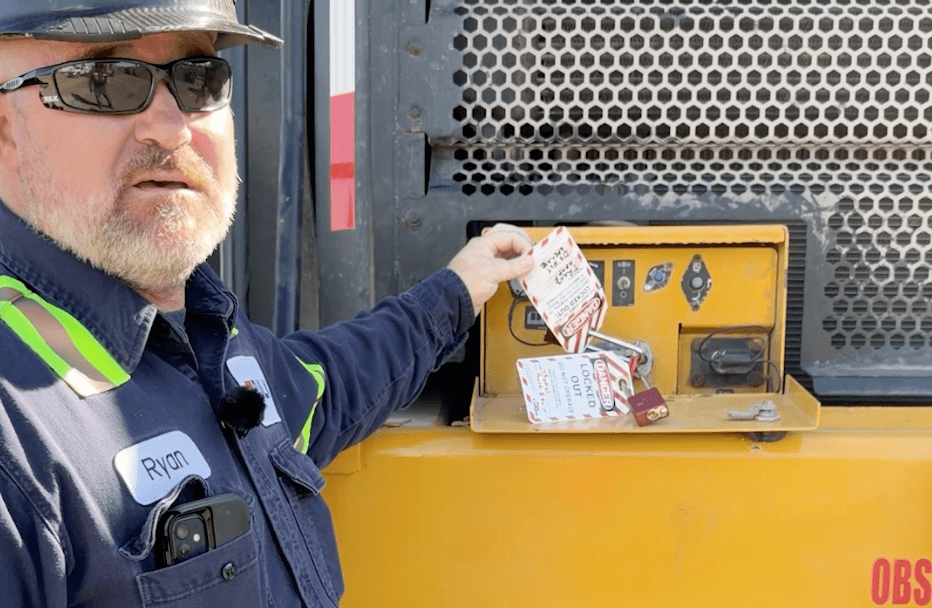
We often focus on the hazards of a specific task and overlook the hazards created by a poorly organized work area. Chaotic, disorganized work areas lead to more injuries and property damage, so improving how a work area is set up creates a safer environment.
What Hazards Come from a Poor Work Area?
Disorganization creates three main hazard types.
- Struck-by incidents, when there are no designated walking paths or blocked-off areas for tasks like grinding, exposing people to flying debris, lifting loads, and moving objects
- Slips, trips, and falls from objects on the ground, slippery surfaces from moisture or oil, and uneven surfaces, steps, or unexpected drop-offs
- Caught-in or caught-between incidents, when people are near moving parts like belts or fans that can grab clothing or hair
What Are Safe Work Area Practices?
Separate people from hazards and keep everything in its place.
- Delineate walking paths from work areas, and use physical barriers like a fence or wall when needed to keep people and vehicles away from a hazardous process
- Organize all tools, equipment, and materials so everything has a place that does not pose a hazard, and clear the area of pallets and parts
- Always guard moving parts, even outside the planned walking path, since anyone who can fit into an unguarded space risks a caught-in injury
- Keep walking and working surfaces maintained, dry, and clean, and add grit or traction material where moisture can occur
- Make sure the area has adequate lighting
- Inspect tools and equipment before starting and do not use anything defective or unguarded