Heavy equipment is powerful and dangerous because of its size, weight, and complex operation, both for the operator and for those working nearby. Staying safe is a shared responsibility between the operator and coworkers, and serious or fatal injuries can occur if equipment strikes a worker.
Why Do Warning Devices Matter Around Equipment?
Inspecting the visual and audible warning devices on a vehicle is one of the most important ways to reduce deadly encounters, and it is part of the pre-use inspection. If a warning device is not working, take the equipment out of service until it is repaired. Stay aware and heed the warnings, and do not wear earbuds, since they can keep you from hearing alarms around you.
What Are the Key Rules for Working Around Heavy Equipment?
Communication and visibility keep people clear of moving machines.
- Establish communication such as hand signals, radios, air horns, or audible alarms before starting work, and share them with the entire site
- Maintain a clear line of sight between operators, spotters, and workers, and reduce blind spots with mirrors and cameras
- Remember that if you cannot see the operator, the operator cannot see you
- Be aware of the swing radius on certain equipment, and cordon off the area with barriers or caution tape when possible
- Never stand between equipment and another object
- Allow no riders, since only equipment designed to carry multiple people should have more than one occupant
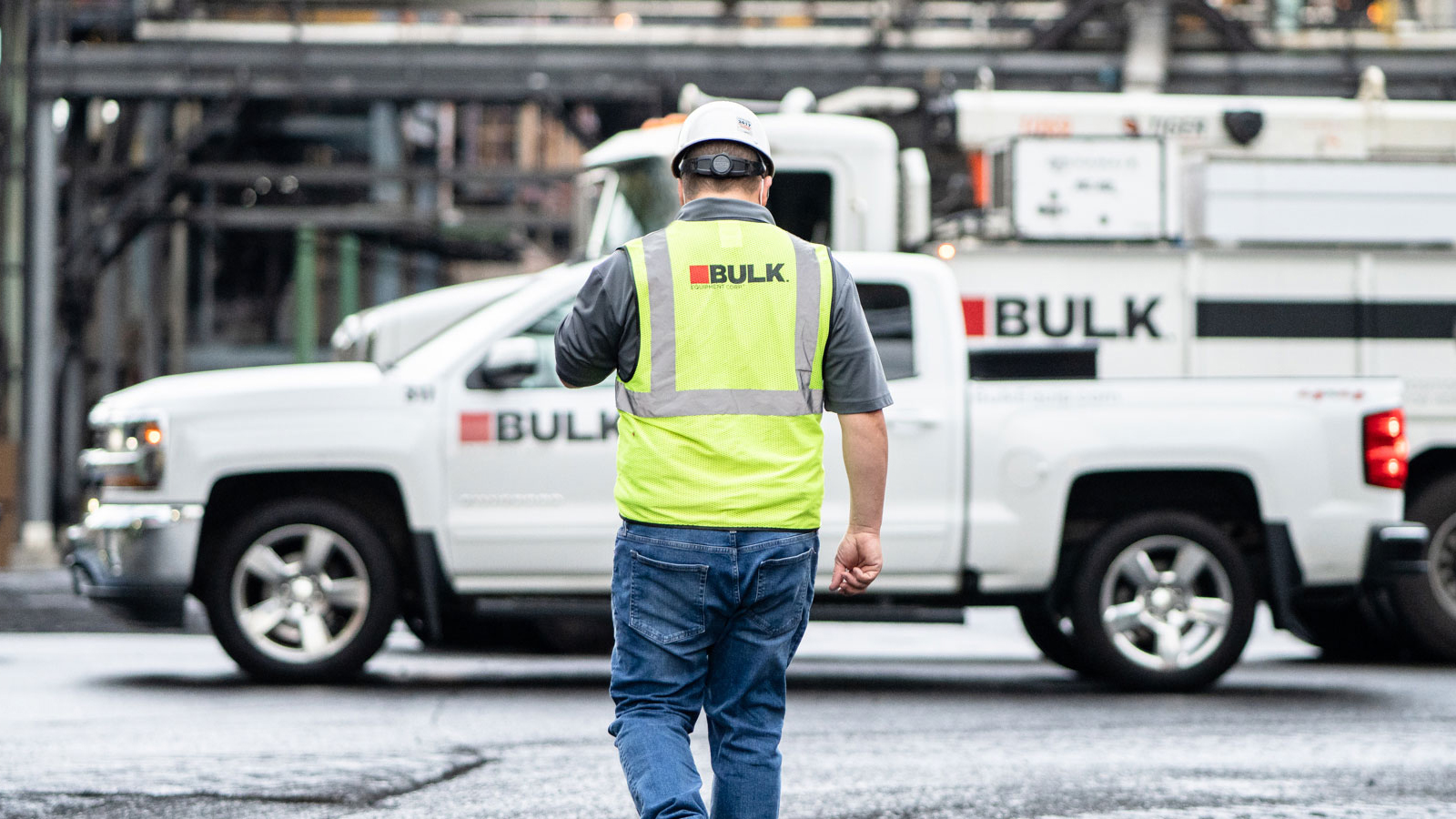
- Wear high-visibility clothing as an outer garment along with your PPE