Lightning is especially hazardous in heavy industry, since large metal equipment and lightning are a bad combination. A few rules keep you safe when thunderstorms threaten.
What Should You Do When Thunderstorms Threaten?
Do not start anything you cannot quickly stop. Watch the daily forecast and the early signs of a thunderstorm, such as high winds, dark clouds, rain, and distant thunder or lightning. During a thunderstorm, no place outside is safe. If you can hear thunder, lightning is close enough to strike, so stop what you are doing and seek shelter in a substantial building or a hard-topped metal vehicle, and wait at least 30 minutes after the last flash before going back out.
What Should You Avoid During a Thunderstorm?
Stay away from height, metal, and water.
- Anything tall or high, including rooftops, scaffolding, utility poles, and ladders
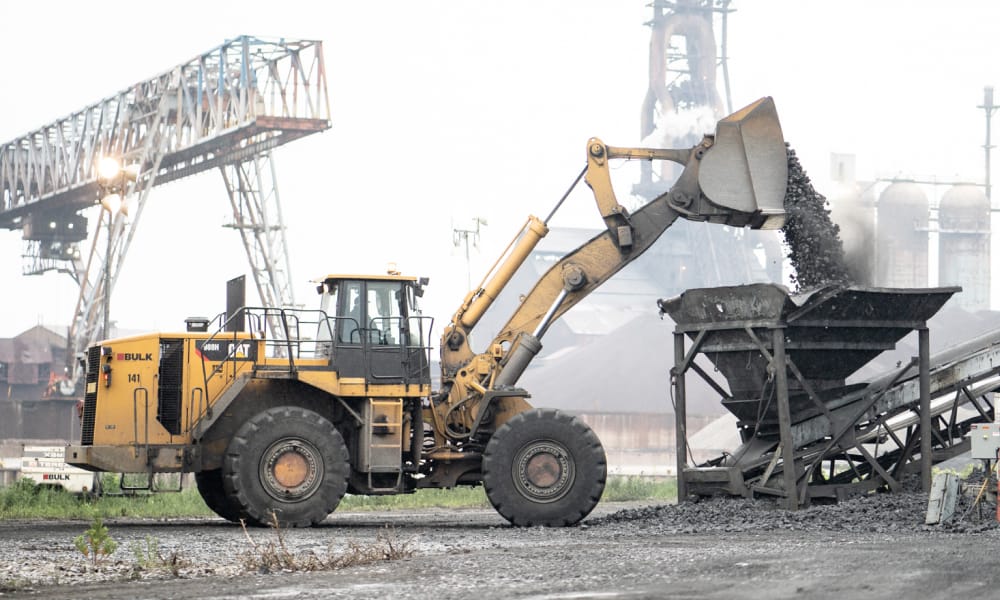
- Large equipment such as bulldozers, cranes, backhoes, track loaders, and tractors
- Materials and surfaces that conduct electricity, including metal scaffolding, equipment, utility lines, water, and pipes
- Areas with explosives or munitions
- Open fields, hilltops, and ridge tops
- Tall, isolated trees and other tall objects, staying near a lower stand of trees if you are in a forest
- Standing close together in a group, since you should spread out so current does not travel between people
- Water, wet items like ropes, and metal objects like fences and poles, which are excellent conductors
A tent offers no protection from lightning, so if you are camping in the open, set up in a valley or other low area.