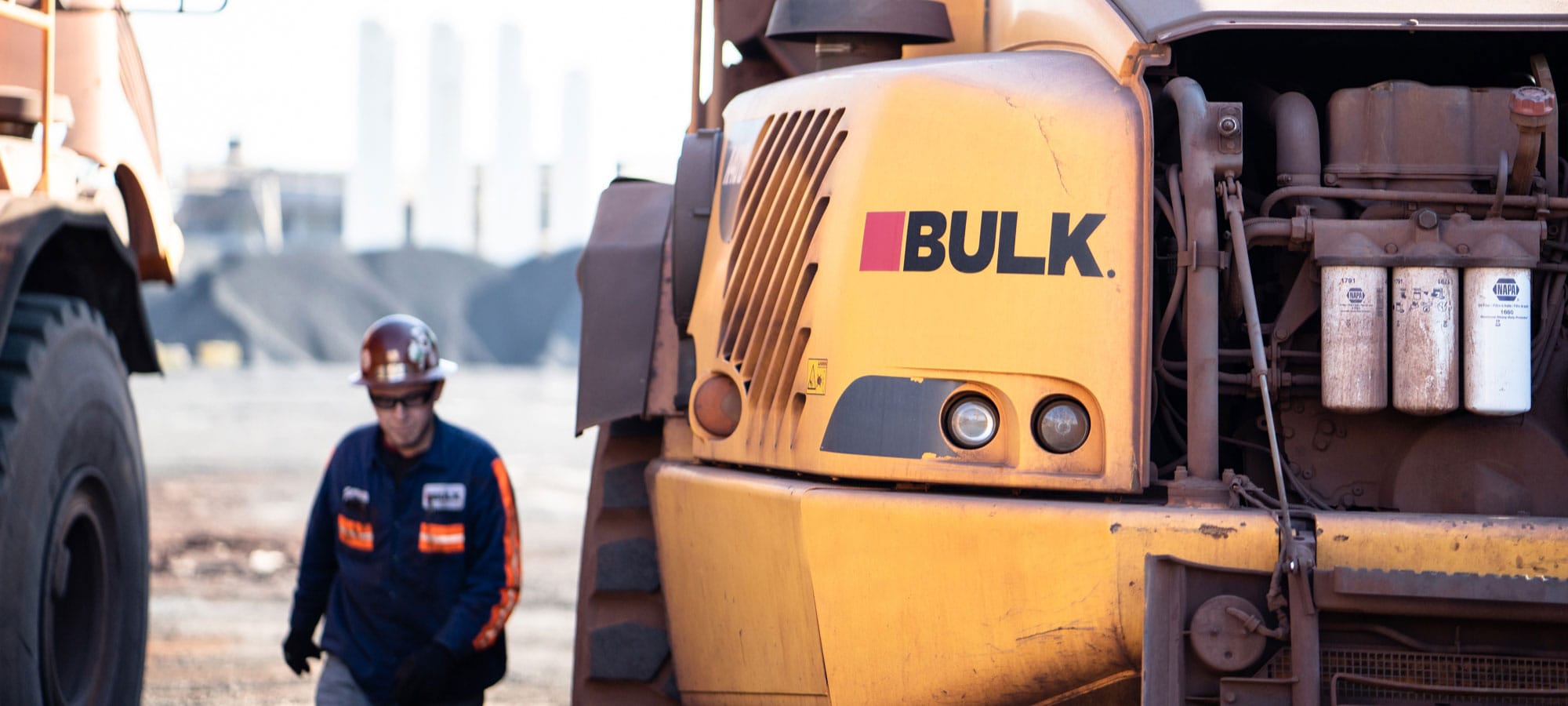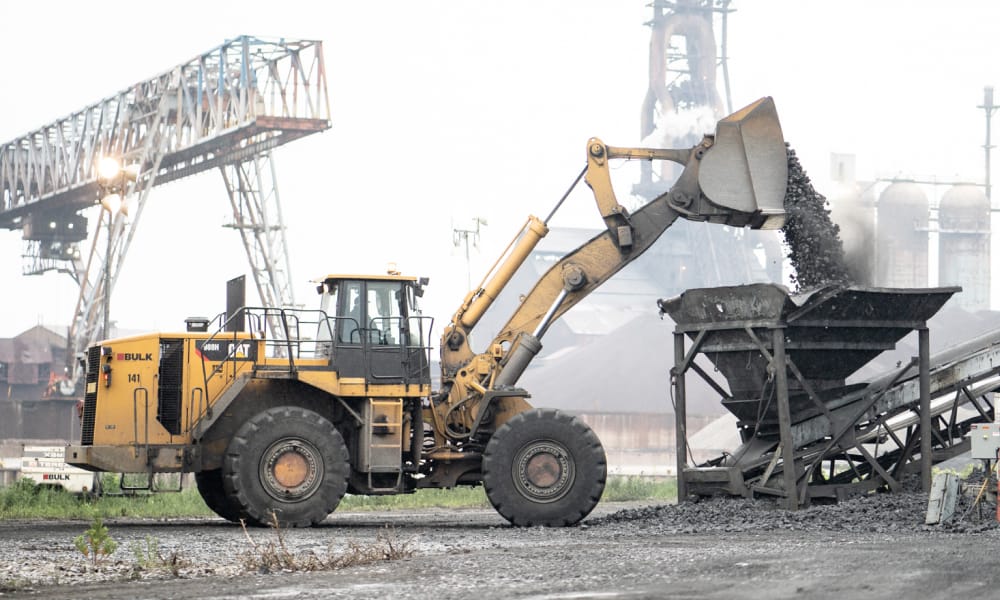
Cold temperatures affect equipment performance and increase the risk of mechanical failure, unexpected movement, and injury. Taking time to inspect and start equipment properly in winter prevents accidents, equipment damage, and downtime.
What Should a Pre-Start Inspection Include?
Inspect equipment before starting, especially after freezing temperatures.
- Engine oil, hydraulic fluid, and coolant levels
- Hoses and belts for cracks or brittleness
- Batteries and electrical connections
- Tires or tracks for proper inflation and damage
- Remove snow, ice, and debris from steps, handholds, and work surfaces
What Are Safe Cold-Start Procedures?
Warm up gradually and watch how the machine responds.
- Follow the manufacturer’s cold-start instructions
- Allow equipment to warm up gradually
- Do not race or rev the engine during warm-up
- Test controls slowly to ensure proper response
- Watch gauges for abnormal readings
What Should You Know About Cold Hydraulics?
Cold fluid behaves differently and needs gentle handling.
- Cold hydraulics move slowly and can fail under sudden load
- Cycle controls gently until fluids reach operating temperature
- Never force frozen controls or components
- Be alert for leaks caused by contracted seals
How Do You Park and Shut Down Safely?
Finish the job by securing the machine.
- Ensure lights, backup alarms, and cameras are working, and clear mirrors, windows, and sensors of ice or snow
- Perform a walk-around and use a spotter when visibility is limited
- Park on stable, level ground
- Lower all attachments to the ground
- Set parking brakes and chock wheels
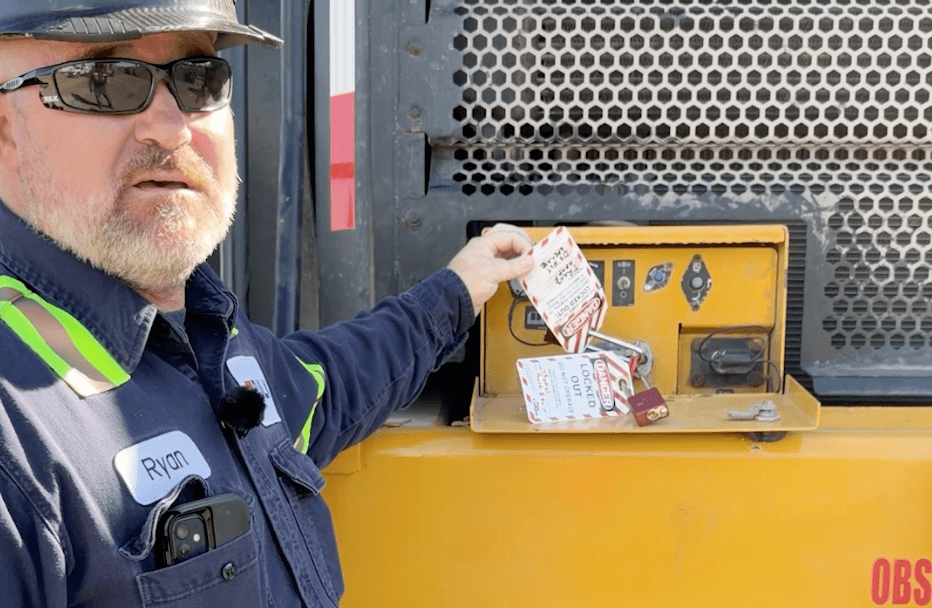
- Remove keys when unattended
Cold weather changes how equipment behaves, and rushing startup increases the risk of injury and damage, so if equipment does not respond normally, shut it down and report it.