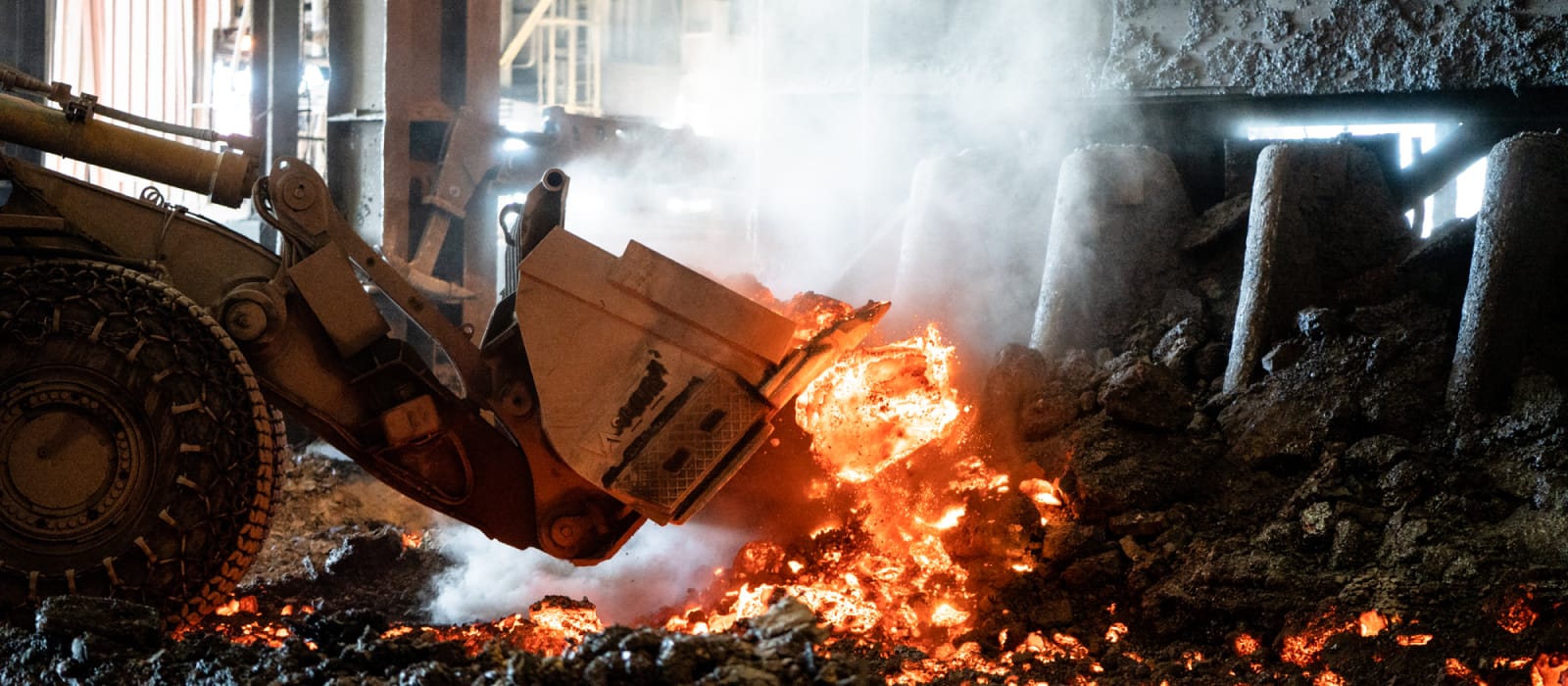
Fires spread fast, and most are preventable with the right habits. Knowing how fires start, how to prevent them, and what to do if one occurs keeps a small problem from becoming a disaster.
What Are the Common Causes of Workplace Fires?
Most workplace fires trace back to a few sources.
- Hot work such as welding, cutting, and grinding
- Electrical faults or overloaded circuits
- Flammable liquids and gases
- Poor housekeeping, such as trash and dust buildup
- Smoking in unauthorized areas
What Are Fire Prevention Practices?
Prevention comes down to housekeeping, storage, and inspection.
- Keep work areas clean and free of debris
- Store flammable materials properly in approved containers
- Maintain safe distances from ignition sources
- Inspect tools, cords, and equipment before use
- Follow hot work permit procedures when required
- Never block fire exits or access to extinguishers
How Do You Use a Fire Extinguisher?
Know the locations of fire extinguishers, their types (A, B, and C) and what they are used for, and how to use one with the PASS method.
- Pull the pin
- Aim at the base of the fire
- Squeeze the handle
- Sweep side to side
What Should You Do in Case of Fire?
Raise the alarm and get out before anything else.
- Raise the alarm immediately
- Evacuate using designated routes
- Do not use elevators
- Report to the designated assembly point
- Only attempt to extinguish a fire if it is small, you are trained, and you have a clear escape path
How Do You Stay Prepared for a Fire?
Preparation happens before the alarm ever sounds.
- Know your escape routes and exits
- Participate in drills
- Know who the fire wardens or supervisors are
- Keep access routes clear at all times