When a lift truck running at high speed overheats, it stops. And when it stops, so does production. That’s the biggest problem in the industry, and it’s exactly why the cooling system on a heavy-duty lift truck deserves far more attention than it typically gets.
The Real Cost of an Overheat Is Downtime
An overheat isn’t just a mechanical inconvenience. When the truck hits a thermal limit, it can’t keep operating, and everything depending on that truck stops with it. In high-throughput environments where lift trucks are running fast and constantly, the heat generated by the transmission, hydraulics, brakes, and engine oil builds up quickly. A standard cooling setup isn’t always enough to handle that load, and the result is a shutdown nobody planned for.
Why a Customized Cooling Package Addresses Each Fluid System Separately
The engineering solution here involved working directly with Konecranes engineers to develop a cooling package designed for the actual conditions the truck would face. The result covers four separate fluid systems: transmission, hydraulics, brakes, and engine oil. Each gets its own dedicated cooler rather than relying on a single shared system to handle all of the thermal load.
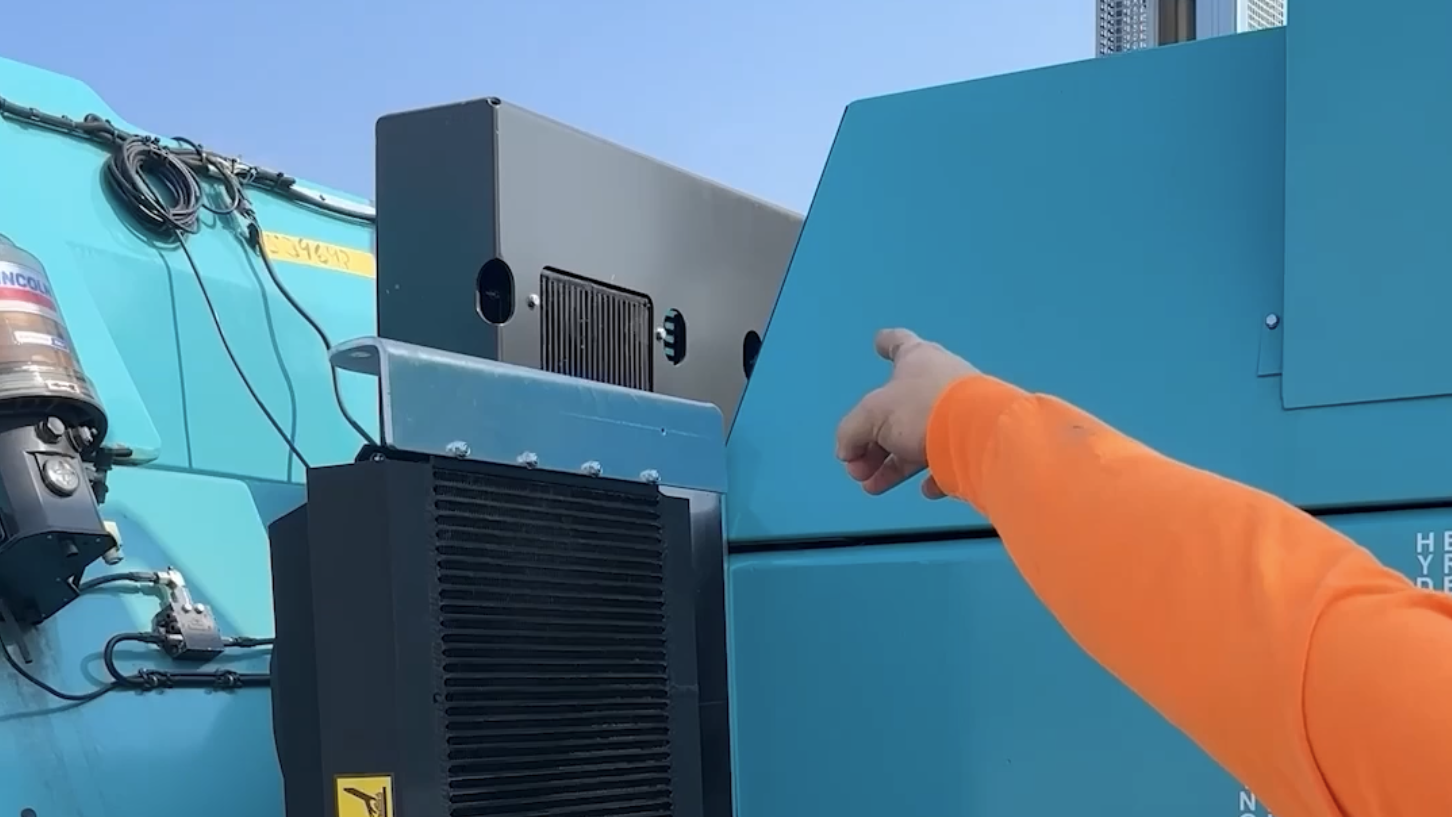
The brake oil cooler is positioned where it’s easy to access for cleaning and where it gets consistent airflow during operation. The hydraulic cooler sits at the top of the unit, in a location that keeps it protected from damage while still allowing it to do its job. Keeping those coolers clean is what keeps the system working. The protection is only as good as the maintenance behind it.
Zero True Overheats Since Installation
The outcome of running a properly engineered, application-specific cooling package is straightforward: not a single true overheat on any fluid since the solution was put in place. For the customer, that track record means confidence that the equipment they chose can handle the demands of their operation without shutting them down. Choosing the right cooling configuration from the start eliminates the guesswork and the downtime that comes from finding out the hard way that the standard setup wasn’t enough.