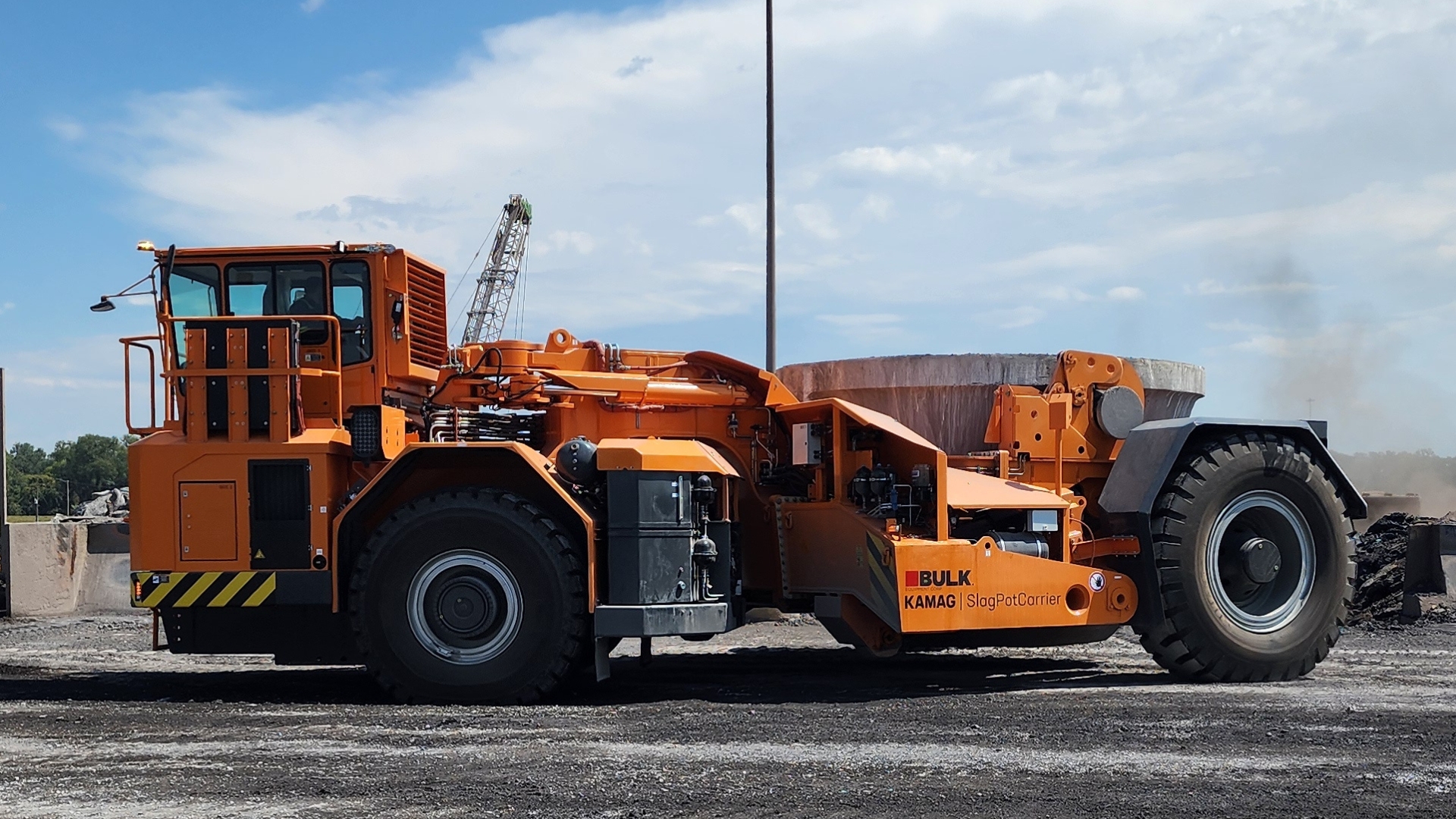
How the KAMAG Electrical Panel Layout Speeds Up Troubleshooting, Parts Ordering, and Service Calls

Fleet ManagementKAMAG

When a KAMAG goes down, every minute spent chasing a wire or hunting for the right part is a minute of lost production. The way the electrical panel is laid out is what determines how fast that work moves. On the KAMAG, the panel is built so that finding a wire, identifying a part, or calling for help all happen as quickly as possible.

Why Every Wire on the KAMAG Panel Is Numbered to a Schematic

The KAMAG electrical panel, including box number two, is thoughtfully laid out so that every wire carries a number that correlates directly to a schematic. When a mechanic needs to find a specific wire, they don’t have to guess at it or trace it from end to end. They reference the schematic, locate the number, and go straight to the wire they need. That structure is what turns wire identification from a slow, frustrating job into a quick, deliberate one.

How BMI Numbers Connect the Panel to Parts Manuals and Schematics

The KAMAG uses BMI numbers on the panel that tie directly back to the parts manuals and the schematics. The number a mechanic sees on the panel is the same number that appears in the documentation, with no translation step in between. That connection between what’s on the machine and what’s on paper is what keeps diagnostics and reference work lined up without confusion.

Why This Pays Off When You Order Parts or Call for KAMAG Support

The BMI numbering system doesn’t just help in the moment of diagnostics. It also makes ordering a part faster and makes calling for assistance with KAMAG down the road far less painful. When you reference a BMI number, you’re speaking the same language the parts manual uses and the same language a KAMAG tech will use on the other end of the line. That common identifier cuts the back and forth out of the process and gets you to a resolution sooner.

Get The Uptime Report

Practical insights on heavy equipment decisions, service, and downtime risks so you can keep your operation moving.

Related articles

Konecranes

How Much Does Operator Comfort Actually Matter on a Lift Truck?

https://www.youtube.com/shorts/55bMJESA7xs Learn About Konecranes A lot of operators in heavy industry already carry bad backs, bad hips, and bad shoulders.

Fleet ManagementKAMAG

How KAMAG Pot Carriers Protect the Hitch from Costly Bearing and Weld Repairs

https://youtube.com/shorts/Q6V4mNy4s44 Learn About KAMAG Hitch repair is one of the most expensive line items on a pot carrier. Bearing replacement

Fleet ManagementKonecranes

How Daily Inspections on Konecranes Lift Trucks Increase Uptime

https://www.youtube.com/shorts/G3fcgHilWyQ Explore Bulk x Konecranes Lift Trucks Daily checks on a lift truck are not optional. Fluid levels, dipstick readings,

Fleet ManagementKonecranes

When a Hydraulic Oil Leak Becomes a Fire Hazard: How a Custom Guard Solved the Problem

https://www.youtube.com/shorts/EEmeXFXI8Ds Explore Bulk x Konecranes Lift Trucks In a coil handling environment, a hydraulic oil leak is not just a

Fleet ManagementKonecranes

How to Prevent Lift Truck Overheating That Shuts Down Production – Custom Cooling Package on Konecranes Forklift

https://www.youtube.com/shorts/RrwwBc-Nvv0 Explore Bulk x Konecranes Lift Trucks When a lift truck running at high speed overheats, it stops. And when

Fleet ManagementKonecranes

What Poor Tire Pressure Management Is Actually Costing Your Lift Truck Fleet

https://www.youtube.com/shorts/7d82J8HfpPU Explore Bulk x Konecranes Lift Trucks Tires on large lift trucks are expensive. In operations where machines are moving

Comments

Fill out the information below to leave a comment.